Relentlessly Curious
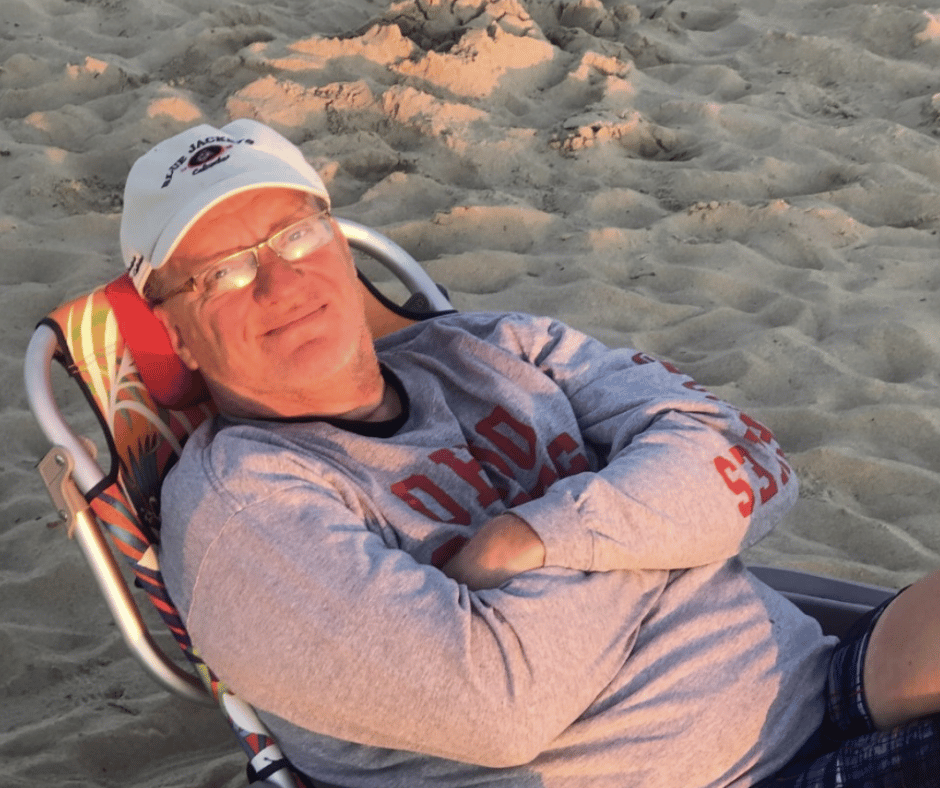
About Tom: Tom Badger is a Giving Voice Foundation champion and volunteer who has facilitated a monthly caregiver support group for the past seven years, hosted a community fundraiser benefiting Giving Voice Foundation, and actively connects business and community leaders to its mission. Tom is also President of Ridiculous Joy Productions, where he leads improv workshops for businesses and schools throughout the tri-state and is now bringing improv to care partners, using the principles of listening and improvisation to help them communicate and connect with loved ones living with dementia. Tom believes curiosity, compassion, and a willingness to show up can help families feel a little less lost. Learn more about Ridiculous Joy Productions at www.ridiculousjoyproductions.com.
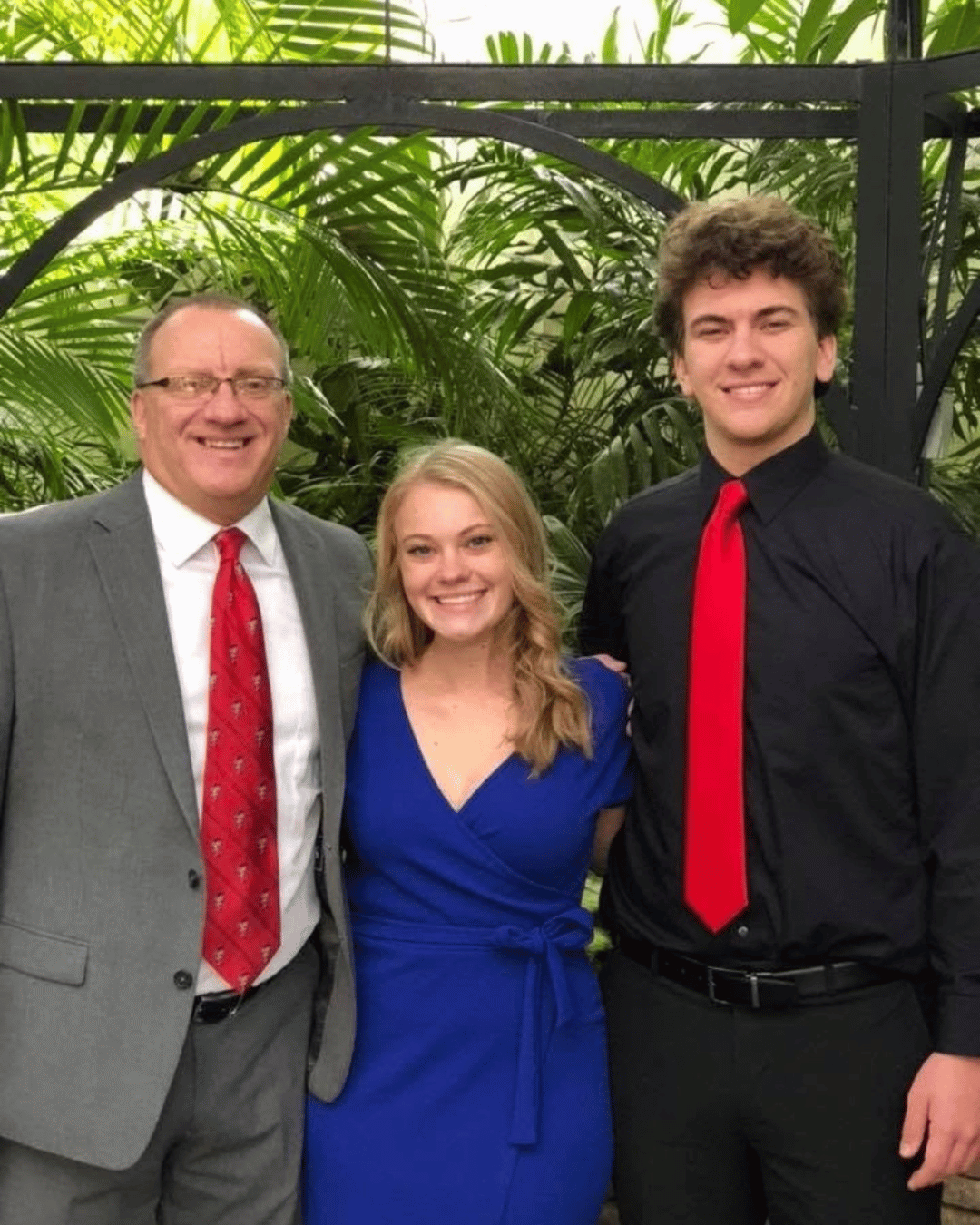
One of my gifts is curiosity. In 2018, I took my first improv class. I thought I was signing up to learn how to be funny. Instead, I learned that improvisation is really a listening exercise.
I talk a lot…probably too much. But improv taught me that if you don’t listen, you can’t advance anything. You have to intentionally commit to hearing what another person is saying. That lesson changed more than the way I communicate. It changed the way I care for people.
Years ago, someone called me a “human can opener.” I loved that. It’s as if I like to pop people’s brains open like a Pez dispenser and find out what’s inside! That’s where my magic happens. I’ve always been wired that way. That curiosity is actually what led me into the world of dementia.
Around 2018, I attended an Alzheimer’s Association luncheon after getting to know some incredible people involved in the organization. I sat there listening as families shared their stories. Everyone at my table had been touched by dementia—everyone except me. I learned that dementia was one of the leading causes of death, and I remember thinking, What rock have I been living under?
“My job is simply to help people feel a little less lost.”
What I learned that day fascinated me. And then it scared the hell out of me. My parents were both incredibly sharp. Our dinner table conversations shaped how I think about the world. I couldn’t imagine watching someone I loved slowly lose those conversations. I couldn’t imagine my partner or my kids experiencing that.
So I did what curiosity has always pushed me to do. I leaned, signed up to facilitate a support group, and got trained by Kristin Cooley. Seven years later, I’ve facilitated more than eighty support group meetings. Every single one leaves me feeling something different. Sometimes I walk out sad. Sometimes angry. Sometimes hopeful. Sometimes grateful. I care more deeply every month because I know the people more deeply every month. What I’ve learned is that curiosity makes me a better caregiver.
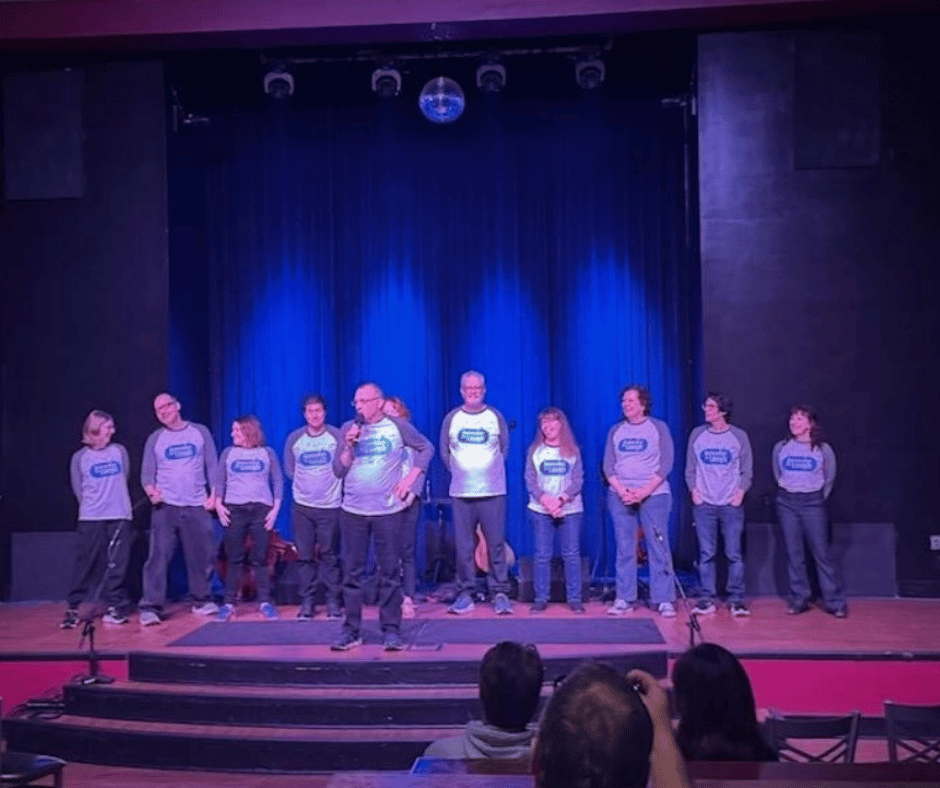
“You have to intentionally commit to hearing what another person is saying.”
They say if you know one person with dementia, you know one person with dementia. That’s it. I can’t tell a caregiver I understand because I haven’t walked in their shoes. I have to keep asking questions. I have to keep listening. I have to be relentlessly curious. If I’m not, I’m doing a disservice to the people I’m trying to help. When people realize you genuinely care, they begin telling you what’s really going on. Every caregiver teaches me something, and because of that, I’m just a little better prepared for the next person who walks through the door feeling completely lost. I’ve learned I can’t fix everything. My job is simply to help people feel a little less lost.
I guess one thing has become painfully clear to me…the education around dementia is woefully behind. A family receives a diagnosis, and it’s as if someone hands them the MCAT and expects them to take the exam after only finishing fourth grade! No one knows what they’re getting into. I didn’t. I’m a pretty well-read guy, and I didn’t know the first thing about dementia. I thought Alzheimer’s was the only disease instead of understanding there are many different forms of dementia. If I didn’t know, chances are most people don’t either.
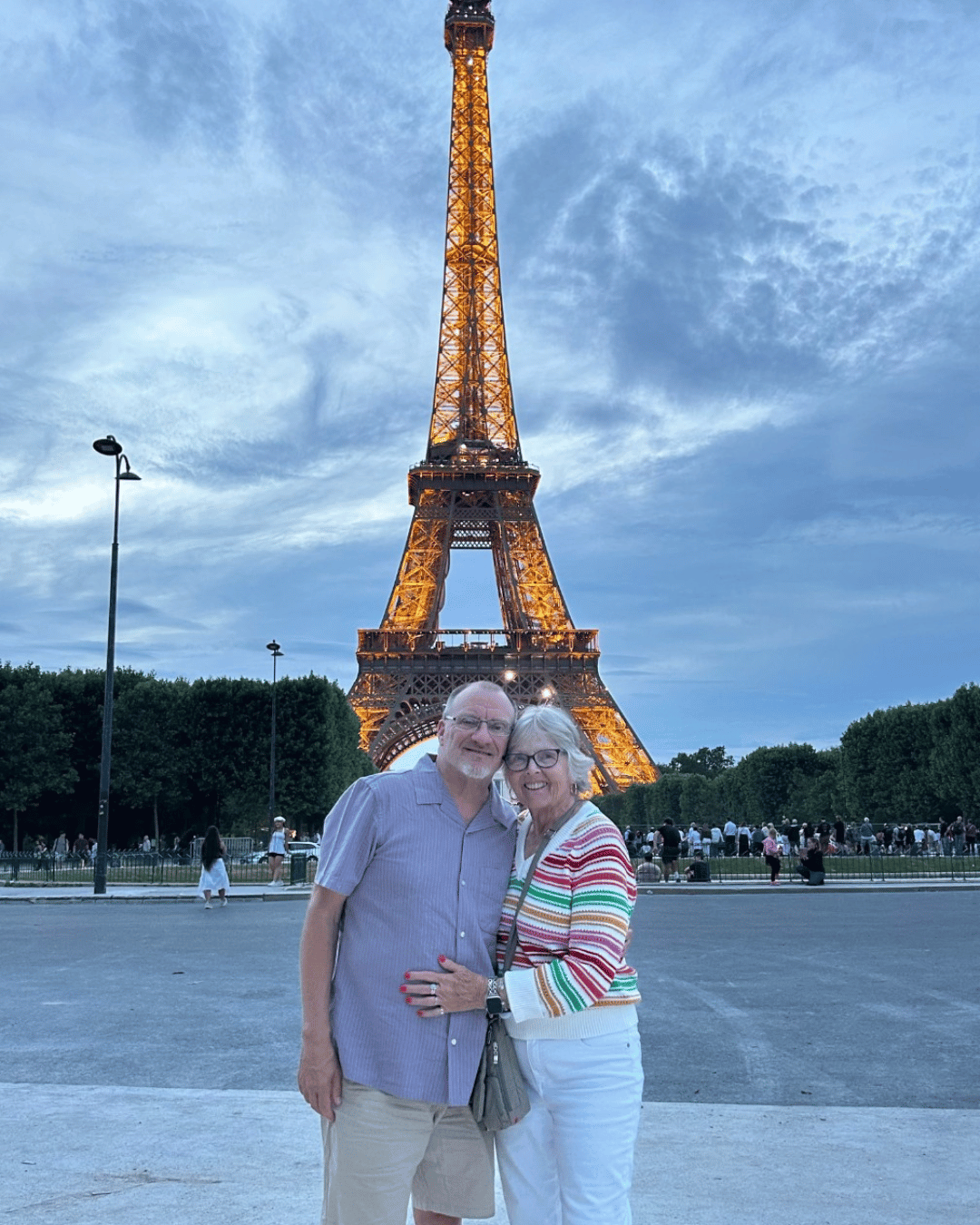
“I've learned I can't fix everything. My job is simply to help people feel a little less lost.”
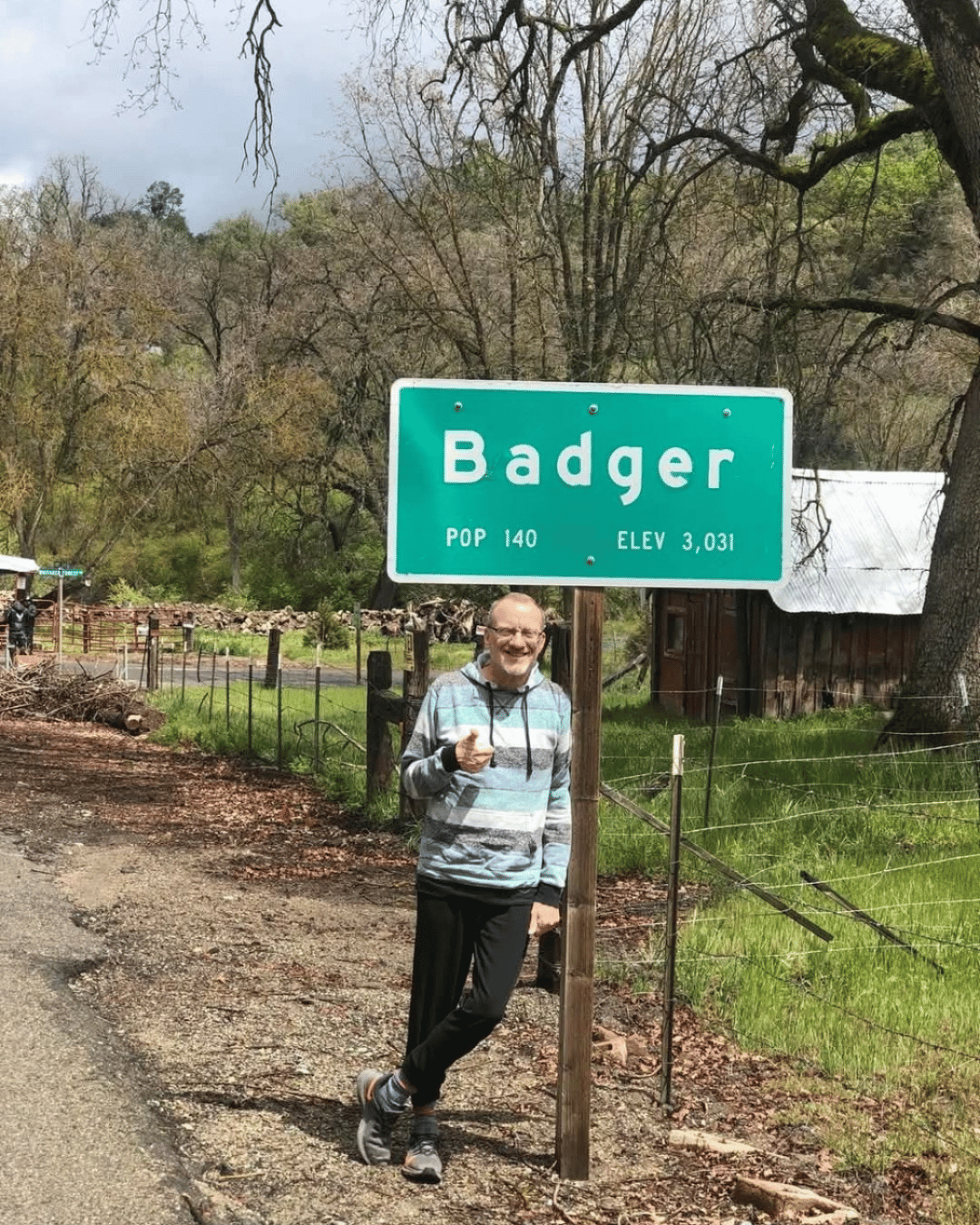
But here’s what I’ve also learned. Joy is always there if you’re willing to listen for it. It’s like finding the rose among the thorns. One of my favorite stories came from a seventh-grade granddaughter named Olivia. She was talking about her grandpa, who rarely spoke anymore. During dinner, he’d quietly reach over and pick food off her plate. Not anyone else’s…just hers. Then she’d smile and say, “Grandpa!” He had done that long before dementia, and it was still his way of reaching for her. She’ll remember that moment for the rest of her life and so will I. Those are the stories that fill my tank.
People often ask me what I wish they understood about dementia. The answer is simple. It’s hard for everyone. We don’t prepare families for what’s coming. We don’t tell people how desperately they’ll need a village. But let me tell you—you need one! If someone in your family is diagnosed, this becomes your community’s disease too.
One of the most powerful things anyone can say is, “I need your help.” Those are four magic words. But you have to be specific. Maybe someone can spend the night so you can finally sleep. Maybe they’ll cook dinner. Maybe they’ll drive your loved one to an appointment. People want to help…they just need to know how.
I’m not a social worker or a nurse. And I don’t write big checks. I’m just a foot soldier. I just try to do good work that matters. What I want is more foot soldiers. There are caring people everywhere—we just need more of them supporting the mission of Giving Voice Foundation. Because families facing dementia aren’t making lemonade. They’re doing everything they can just to make something that resembles lemonade. The least the rest of us can do is help.
“One of the most powerful things anyone can say is, ‘I need your help.’”

Your Voice Belongs Here
Did this story remind you of one of your own?
Whether you’re living with dementia, supporting someone you love, working alongside families, or carrying a memory that matters, we’d be honored to hear it.
Prefer to put your story into your own words? Use our optional prompts for inspiration, then submit your story and photos when you’re ready. Your voice stays yours.
Prefer a conversation? Connect with a volunteer Story Guide who will listen and help shape your words into a story you’ll review and approve before it’s ever shared.
However you choose to share, your voice matters.