It Takes A Village
by Nancy Macke
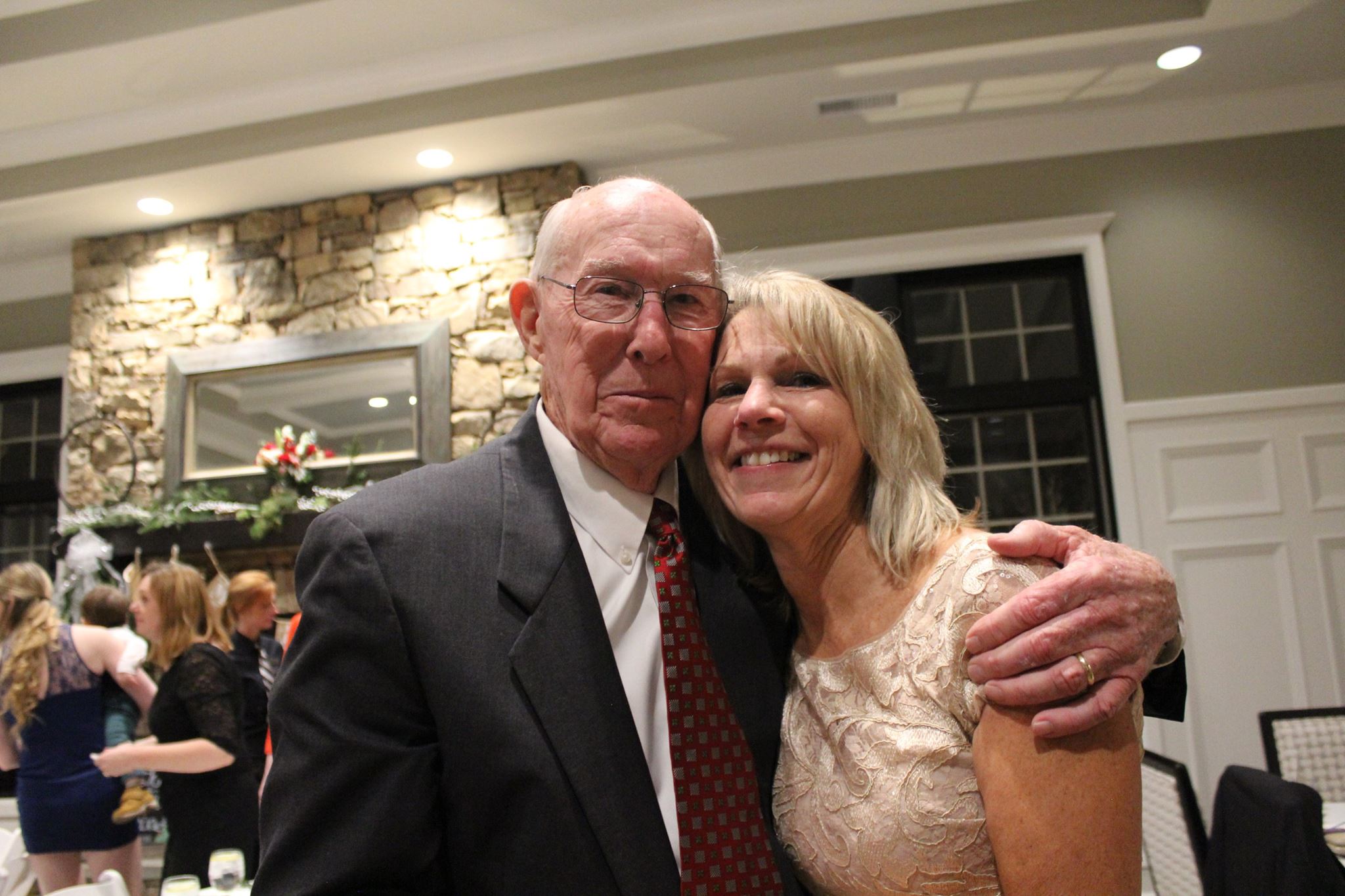
About Nancy: Nancy Macke is an end-of-life doula, caregiver support group facilitator, and administrative team member with Giving Voice Foundation. Drawing from both her professional experience and her journey caring for her parents through dementia, she is passionate about helping families navigate caregiving with compassion, preparation, and hope. She believes that asking for help is a sign of strength and that no one should have to walk the dementia journey alone.
“None of us were ever meant to carry dementia alone.”
When people ask how dementia has touched my life, I usually smile because it’s been woven through so many chapters.
The first chapter was my maternal grandmother.
That was back in the late 1980s or early 1990s. I was a young adult, and I remember helping transition her from living independently into skilled nursing. Looking back, I don’t know that we even understood the different levels of care or whether memory care really existed the way it does today.
What I remember most isn’t the diagnosis. I remember cleaning out her house. I remember wondering what you do with someone’s things…their stuff…the life they’ve collected over so many years.
Then there were the visits to see her at the facility. Throughout life, my grandmother always took pride in how she looked. Her hair would be done and clothing coordinated. One day I walked into the day room and looked around. Everyone had the same short haircut, sitting in similar chairs. I remember thinking, This is like “Where’s Waldo?” Everyone looked the same. It felt like so much of her individuality had disappeared.
Years later, my aunt developed dementia.
Then it was my mom. That’s when dementia became deeply personal.
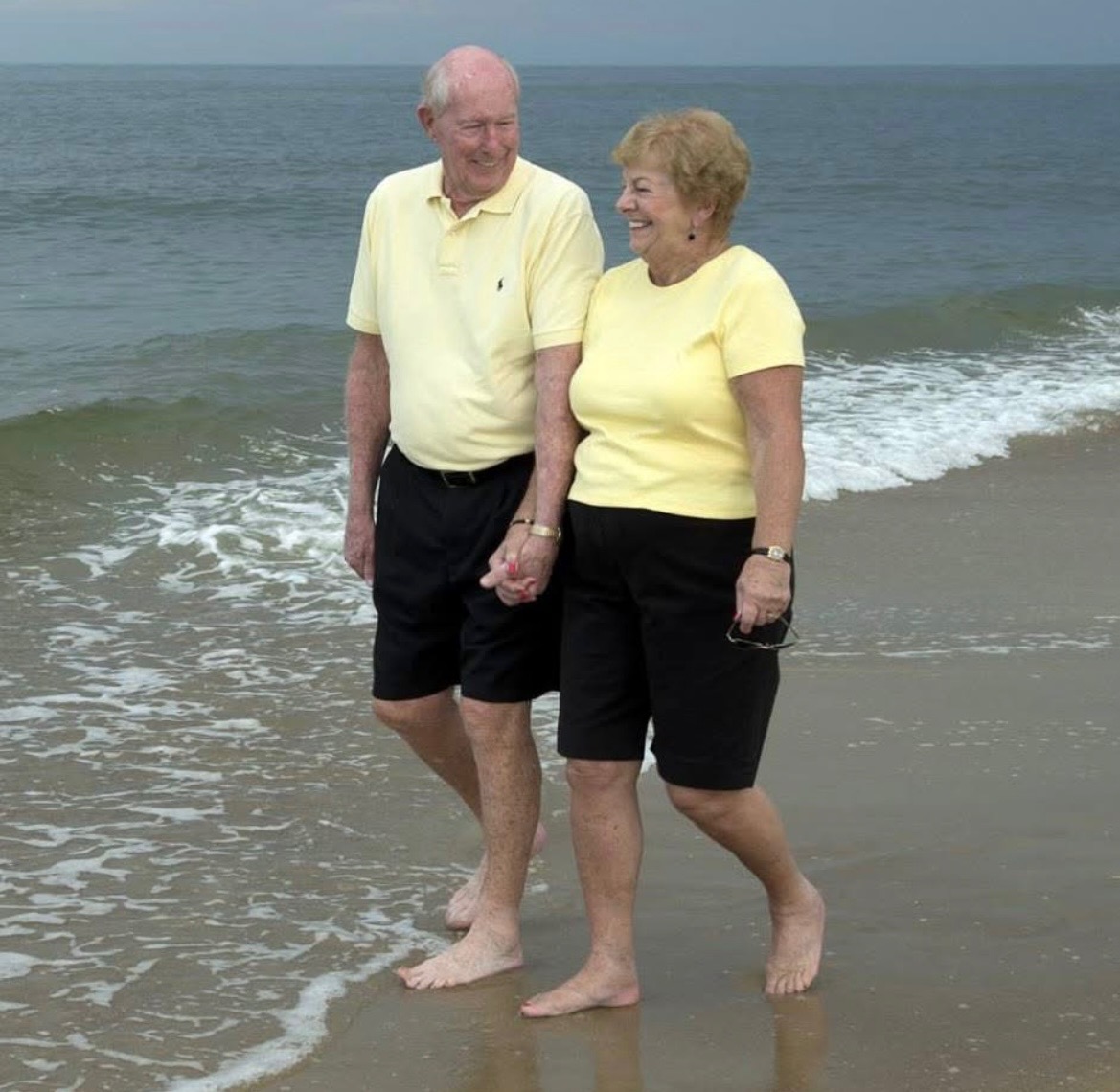
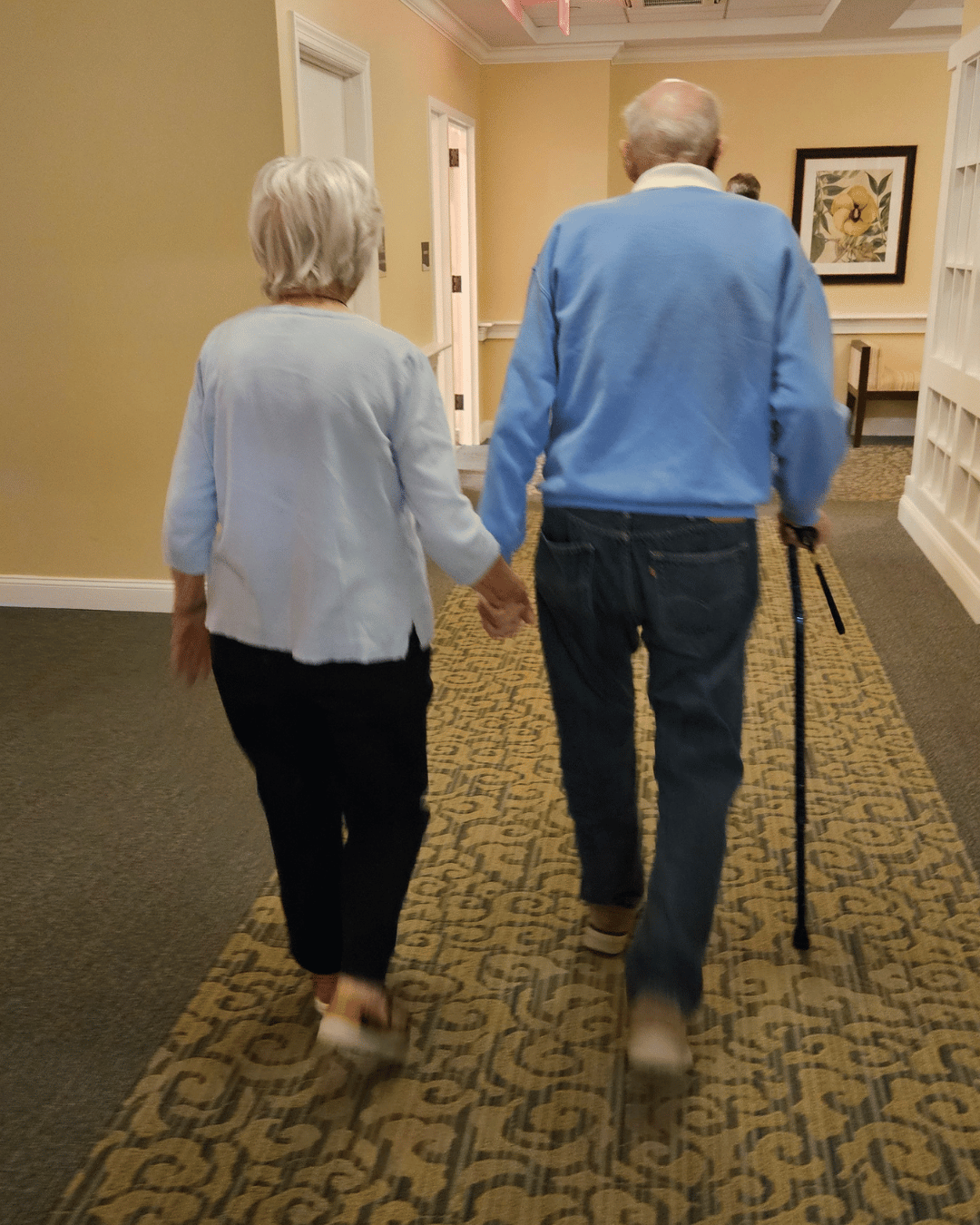
My dad was my mom’s primary caregiver, and like so many spouses, he put all of his energy into caring for the woman he loved. They had met when they were sixteen years old, married at twenty-one, and eventually spent seventy-five years together. They couldn’t imagine life apart.
At first, the changes were easy to explain away. She forgot names. Repeated stories. We all said, “Well…she’s eighty.”
Then, around New Year’s of 2020, everything changed. My mom fell in the bathroom and spent nearly a week in the hospital during COVID. None of us could visit. She didn’t have her glasses. She couldn’t figure out how to use the phone. We depended on nurses just to help us connect with her.
When she came home, my parents realized they weren’t going back to Florida. My brothers and I packed up their condo, sorted through decades of memories, and helped them begin another transition.
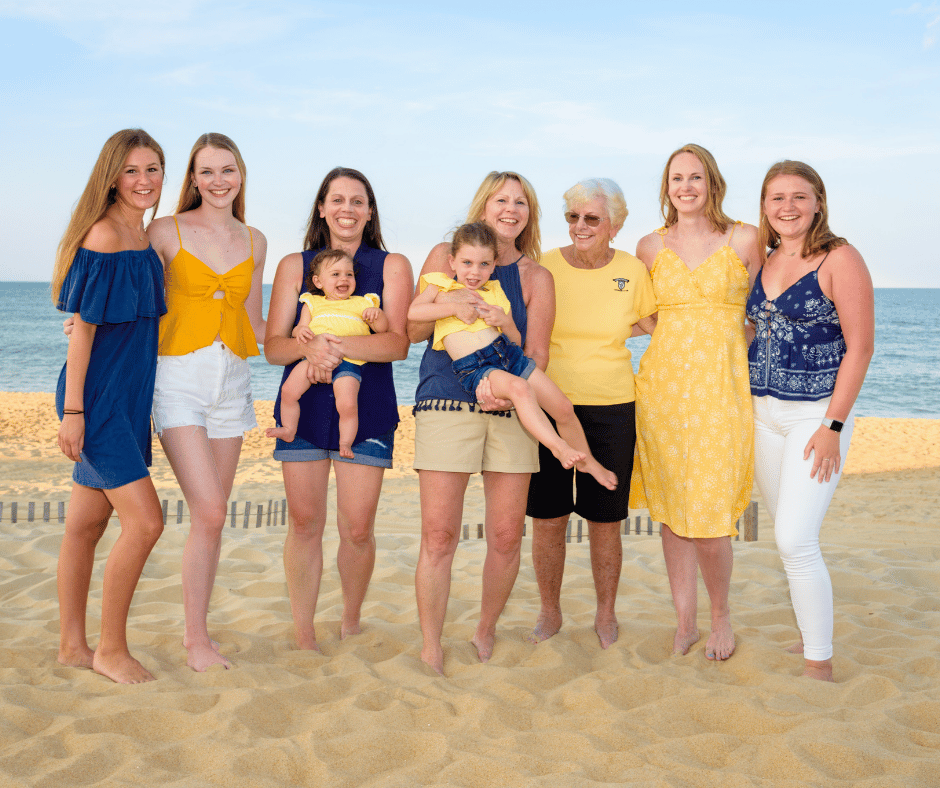
“You are not failing the person you love by asking for help.”
I’ve personally downsized my parents three different times. People don’t talk enough about that part of dementia. The boxes. The decisions. The Christmas ornaments. The family photographs. Every item carries a memory. I remember my mom opening one box of Christmas decorations. She wanted to touch every ornament. She would look at it, turn it over, remember it. Nothing else got packed. At the time, it was frustrating. Looking back, I realize she wasn’t slowing us down. She was saying goodbye.
We tried everything we could think of to help my parents stay independent. Meal kits. Home care. Extra support. Some things worked. Some things didn’t.
“Meet your person where they are. Accept them where they are. Every day is a new day.”
One afternoon I was sitting in a salon getting my hair highlighted when my phone rang. The owner of the home care agency told me my mom had just informed the caregiver to stay out of her kitchen—with some very colorful language. The caregiver didn’t want to leave without checking with me.
I called my parents. I could hear my mother yelling in the background. I finally told the caregiver to go ahead and leave. Then I reminded my mom, “We don’t talk to our friends like that.” It struck me afterward that I had just spoken to my mother the same way I once spoke to my children. Dementia changes so many relationships.
One of the greatest gifts my parents ever gave my brothers and me happened years before either of them died. They planned. They completed their advance directives. They talked openly about what they wanted. There wasn’t guessing. One brother naturally handled finances. Another took care of the house. I became the medical person and the keeper of their final wishes. We certainly could have crossed into one another’s responsibilities, but we didn’t need to. It all worked. I know not every family has that experience, and I feel incredibly grateful that we did.
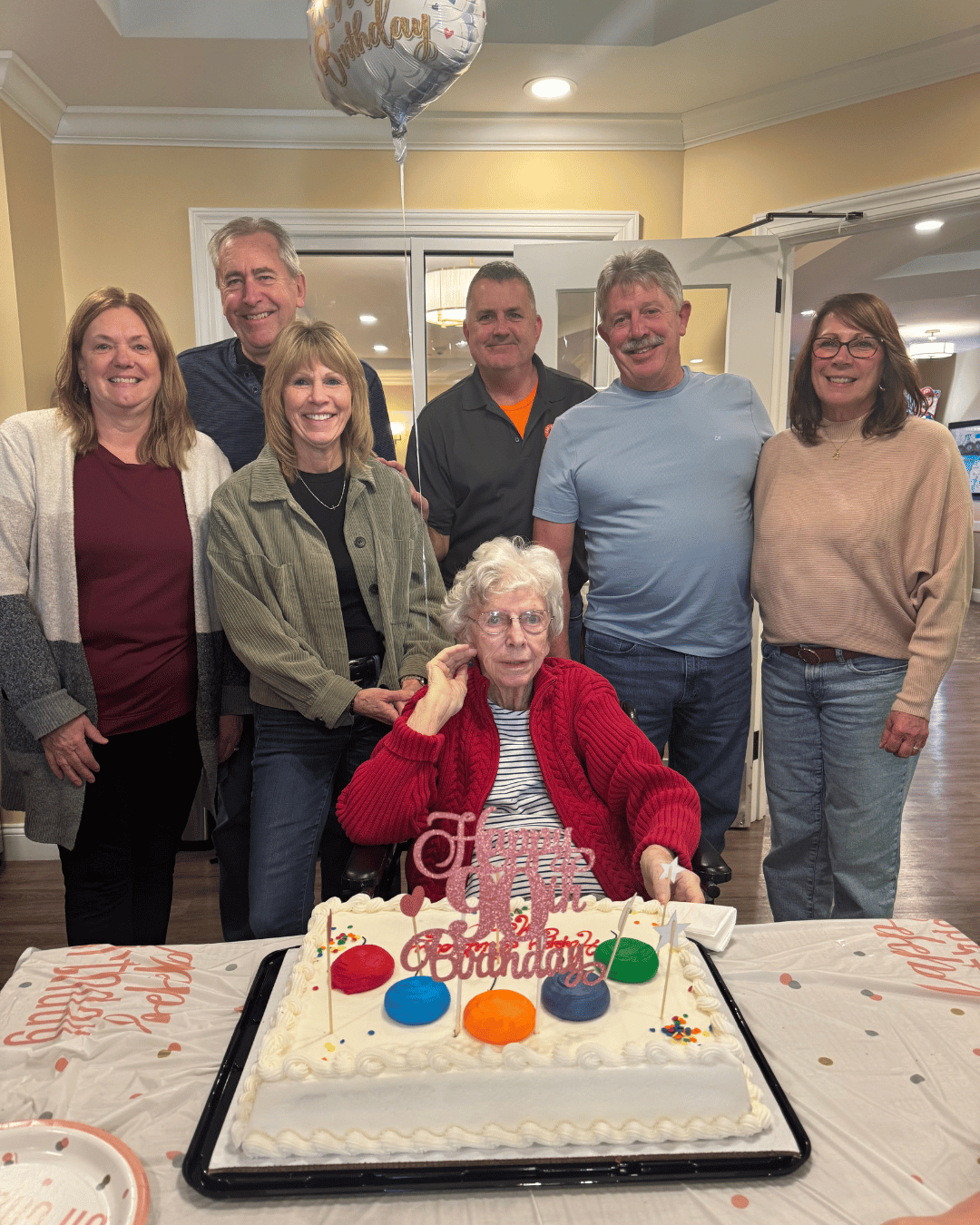
Looking back, I also realize something else. It truly takes a village. The gerontologist who prepared us honestly for what was ahead. The hospice team. The home care workers. Friends. Neighbors. My brothers. None of us could have done it alone.
If there’s one thing I hope caregivers hear, it’s this: You are not failing the person you love by asking for help. You are not failing them by taking time away. You cannot bring the most caring version of yourself if you’re consumed by frustration, exhaustion, sorrow, or anticipatory grief. Meet your person where they are. Accept them where they are. Every day is a new day. You may not know who you’re going to encounter that morning, but deep down, they’re still the person you’ve always loved.
During those years caring for my parents, I found myself saying over and over again, “I wish there was something like Giving Voice Foundation here.” A place for connection… for respite…for guidance… for joy. A place where caregivers could breathe for a little while and people living with dementia could simply be themselves. Today, I have the privilege of serving with Giving Voice Foundation, and every week I see those wishes becoming reality for other families.
I also know this: None of us were ever meant to carry dementia alone. It really does take a village.
“A place for connection… for respite… for guidance… for joy.”

Your Voice Belongs Here
Did this story remind you of one of your own?
Whether you’re living with dementia, supporting someone you love, working alongside families, or carrying a memory that matters, we’d be honored to hear it.
Prefer to put your story into your own words? Use our optional prompts for inspiration, then submit your story and photos when you’re ready. Your voice stays yours.
Prefer a conversation? Connect with a volunteer Story Guide who will listen and help shape your words into a story you’ll review and approve before it’s ever shared.
However you choose to share, your voice matters.