Special Moments Are Everything
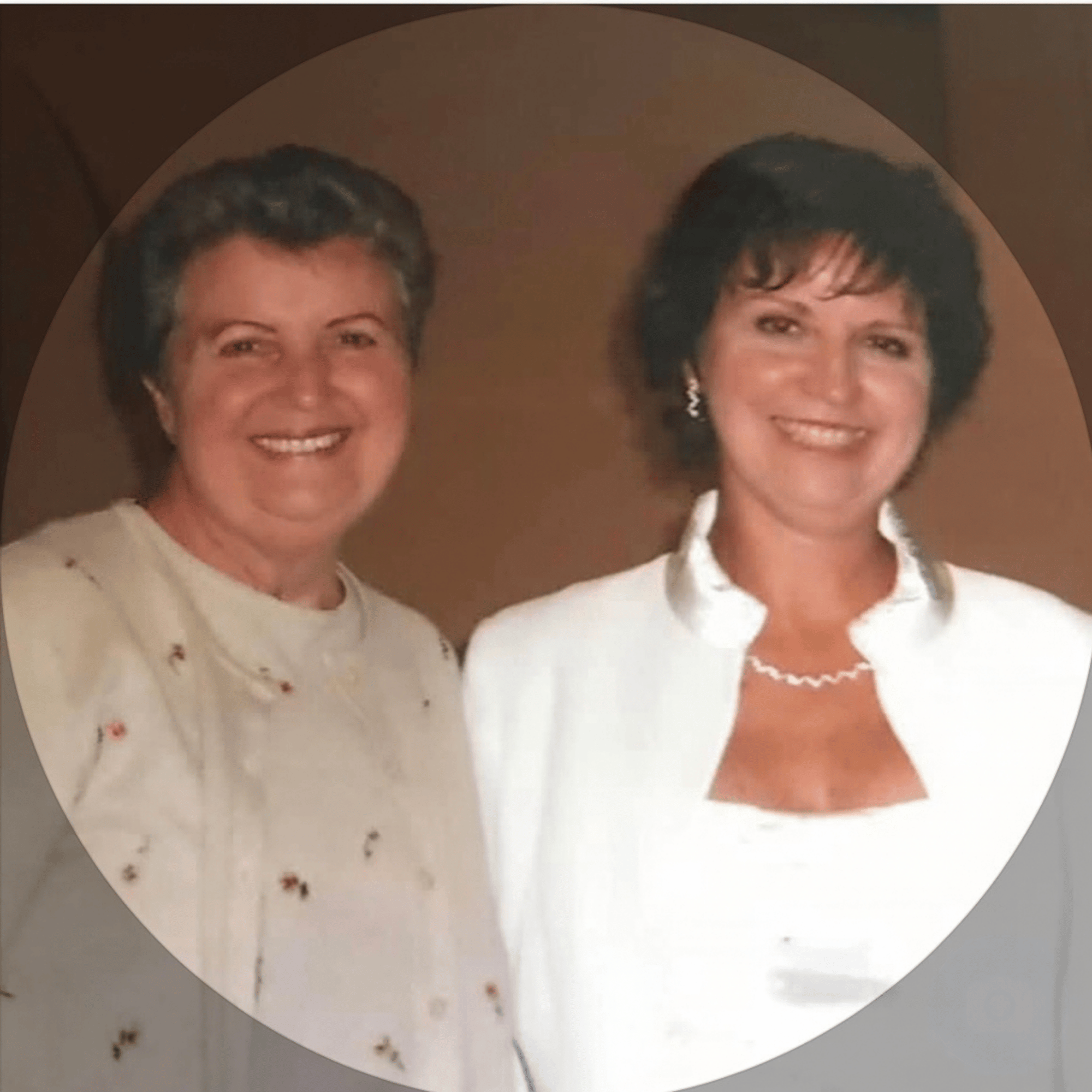
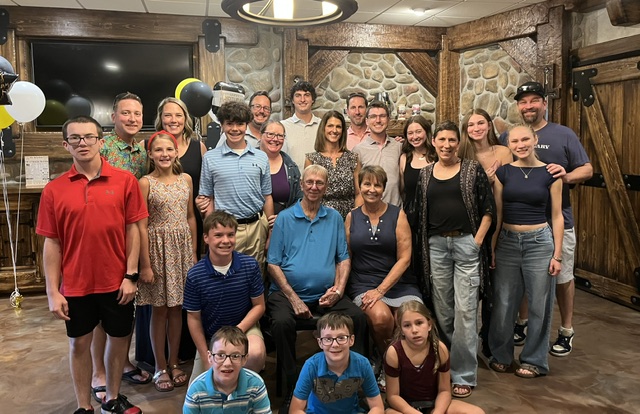
About Laura: Laura Weyler is a longtime friend, supporter, and champion of Giving Voice Foundation whose connection to the dementia community spans generations of her own family. After retiring from a 25-year career as a Research Director, Laura continues to pour her time and heart into her family, caregiving, fundraising, and the causes she loves. She and her husband of 44 years have four children and eleven grandchildren, and Laura can often be found cheering them on from the sidelines or finding another creative way to raise money for families impacted by dementia. She believes in meeting people where they are, treasuring moments of connection, and remembering that none of us is meant to travel this road alone.
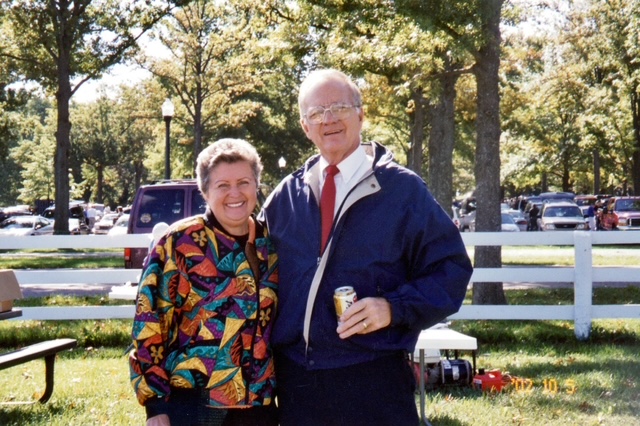
Alzheimer’s has been part of my family for a long time. My grandmother had it. My mom was diagnosed at 65 and died at 72 and her brother also had Alzheimer’s. My sister was diagnosed at 55 and is now 61. My daughter-in-law’s father was diagnosed when he was only 48.
After my mom was diagnosed, I had a real fear of getting Alzheimer’s myself. But I never dreamed my sister, who is nine years younger than me, would get it. It’s a hard road to travel.
I’m retired now after working as a Research Director for 25 years. My husband and I have been married for 44 years, and we have four children and eleven grandchildren, ages nine to 24. I try to make it to all their activities, sports, dance recitals, choir concerts, and events…which is a real juggling act as they get older! I love to travel, the theater and scrapbooking, and these days, a lot of my time is also spent caregiving. My husband has health issues, and in addition to my sister having Alzheimer’s, her daughter, Nicole, has intellectual disabilities.
I learned a lot about caregiving by watching my dad care for my mom. He was amazing, though he never really showed us how hard it was.
A year before my mom died, I was with her in a public restroom, showing her how to wash her hands. There was a little girl watching us. My mom looked at her and said, “I bet you think I am a baby.” I’ve never forgotten that. You never know what your loved one is picking up on or understanding.
My sister doesn’t speak very much anymore. Recently, Nicole was getting together with some of her former classmates for dinner, and I wondered whether I should bring my sister. I worried she might be uncomfortable around people she used to know. Her boyfriend encouraged me to take her, so I did.
As we were leaving, my sister quietly said, “It was so good to see Nicole with her friends.” I was so happy I had taken her.
The next day, I texted her boyfriend to tell him what had happened. He called me immediately, and my sister was with him. She hadn’t said my name in probably six months. But that day she said, “Laura, I want to do that again.” Special moments like that are everything.
“You never know what your loved one is picking up on or understanding.”
This journey has taught me patience. It can be so tiring, and I think sometimes we get wrapped up in what we think needs to happen instead of thinking about what actually matters to the person.
With my mom, one of those lessons came from a bra. She didn’t like clothing touching her skin, especially her bra and the underwire, so I took her shopping, trying to find one she would tolerate, but we couldn’t.
I mentioned it at my support group, and someone asked me, “Why does she need to wear a bra?” My response was basically, “Because that’s what women do!”
But they challenged me to think about what would actually happen if she didn’t wear one. And I realized – nothing. Why were we fighting about this?
I’ve carried that lesson into caring for my sister. Don’t correct someone. Don’t quiz them. Don’t keep trying to make them remember something their brain simply can’t retrieve. It only creates frustration.
And advocate for them. That even means questioning routine medical care as the disease advances. When a doctor recommends something like a mammogram or colonoscopy for my sister, I have to ask: Why? What would we do with the information? Would we put her through the treatment? Could she even understand and tolerate the preparation? You have to consider where someone is in the progression of the disease. There isn’t one answer for everyone.
“You never know what your loved one is picking up on or understanding.”
My sister’s boyfriend has taught me a lot about caregiving, too. They’ve been together for 20 years. She moved in with him approximately a year after she was diagnosed. He cared for her at home far longer than I thought possible. When she eventually moved into a care community, it was a real eye-opener for me to see just how much he had been doing. Now he visits her every day and takes her on outings. I’ll admit, I wasn’t his biggest fan when they first got together. I am now.
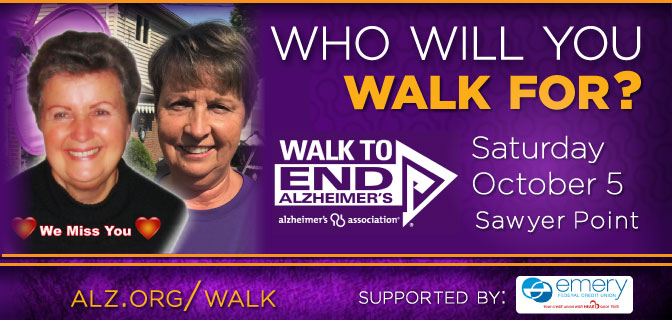
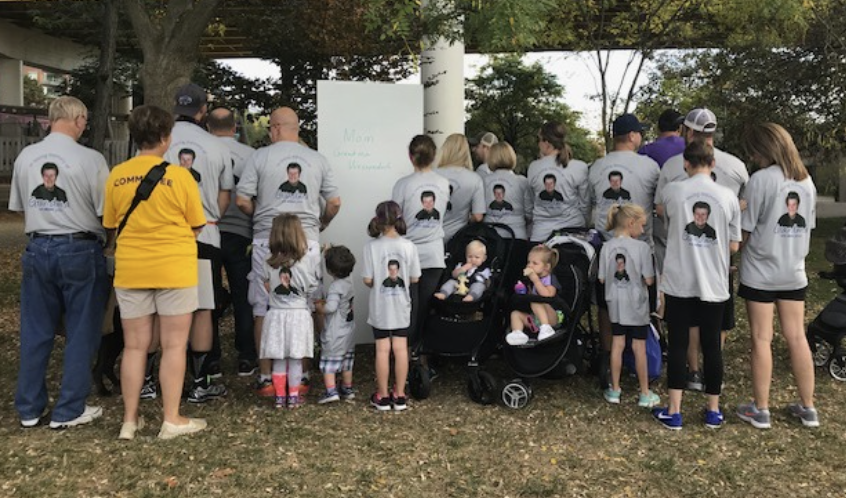
Through my mom and sister, giving back has also become important to me. I’ve participated in the Walk to End Alzheimer’s for about twenty years. My dad volunteered after Mom died because he wanted to give back a little of what had been given to us.
I’ve found my own ways, too. I’m not big on asking people for money, so I get creative…football pools, scrapbook fundraisers, whatever I can do. Years ago, coworkers and I even made $5 lunches to raise money.
One client heard what we were doing, vetted the organization, and ended up donating $50,000, and another $25,000 later that year. You never know how your story is going to touch someone or who is willing to give.
“Don’t correct someone. Don’t quiz them. Don’t keep trying to make them remember something their brain simply can’t retrieve.”
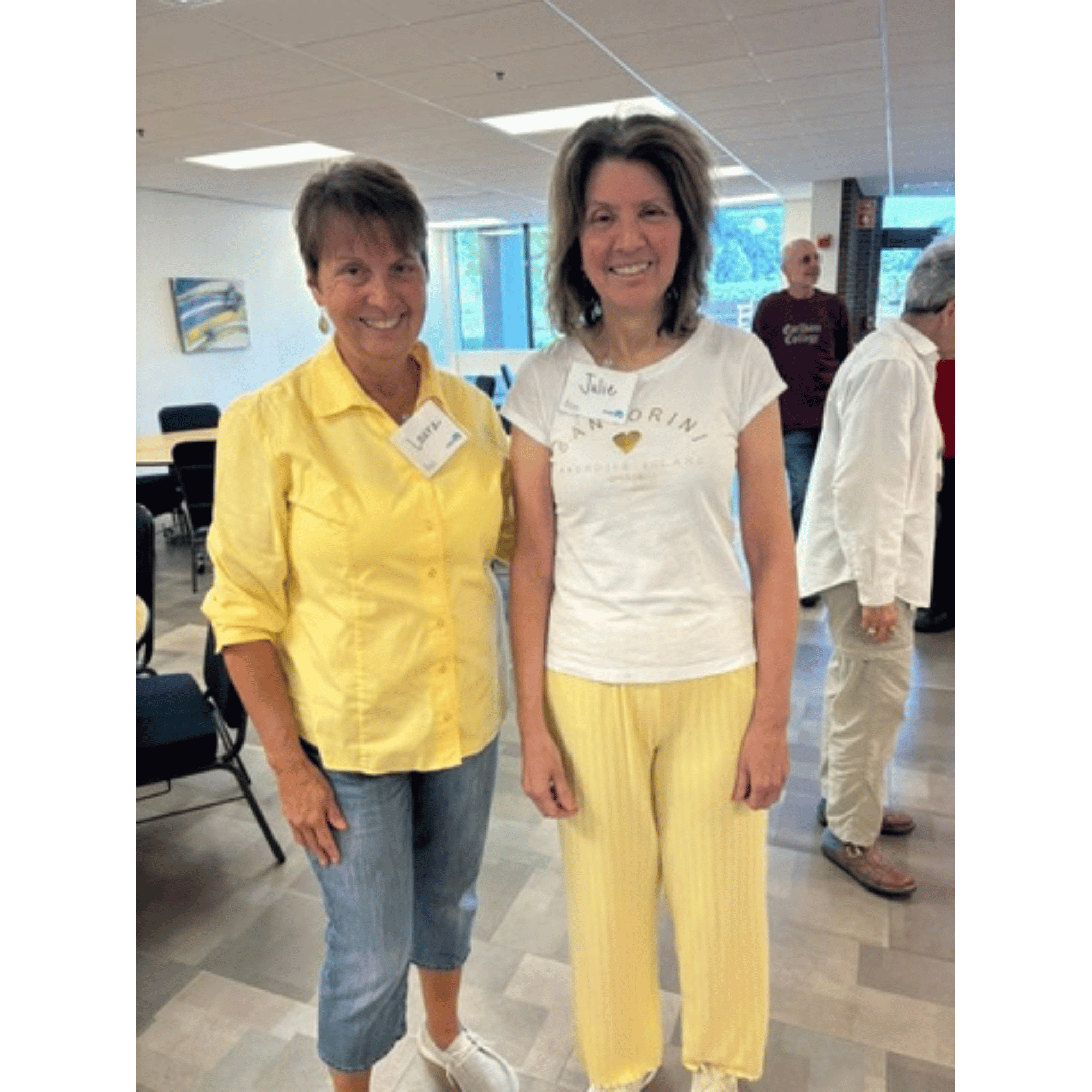
Today, Giving Voice Foundation is another important part of our village. My sister goes to Creative Connections every Monday, and she loves it. At first, I planned to sit with her rather than join the caregiver support group. I was hesitant because I’m not her full-time caregiver.
Eventually, I went. And I’m so glad I did.
It’s full of people going through the same things. We can talk about guilt, respite, exhaustion, decisions – and all the things that can be hard to explain to someone who hasn’t experienced them.
That kind of support matters. Because if there is one thing this road has taught me, it’s this: It takes a village. And every one of us needs a little extra support along the way.

Your Voice Belongs Here
Did this story remind you of one of your own?
Whether you’re living with dementia, supporting someone you love, working alongside families, or carrying a memory that matters, we’d be honored to hear it.
Prefer to put your story into your own words? Use our optional prompts for inspiration, then submit your story and photos when you’re ready. Your voice stays yours.
Prefer a conversation? Connect with a volunteer Story Guide who will listen and help shape your words into a story you’ll review and approve before it’s ever shared.
However you choose to share, your voice matters.