They Recognize the Connection
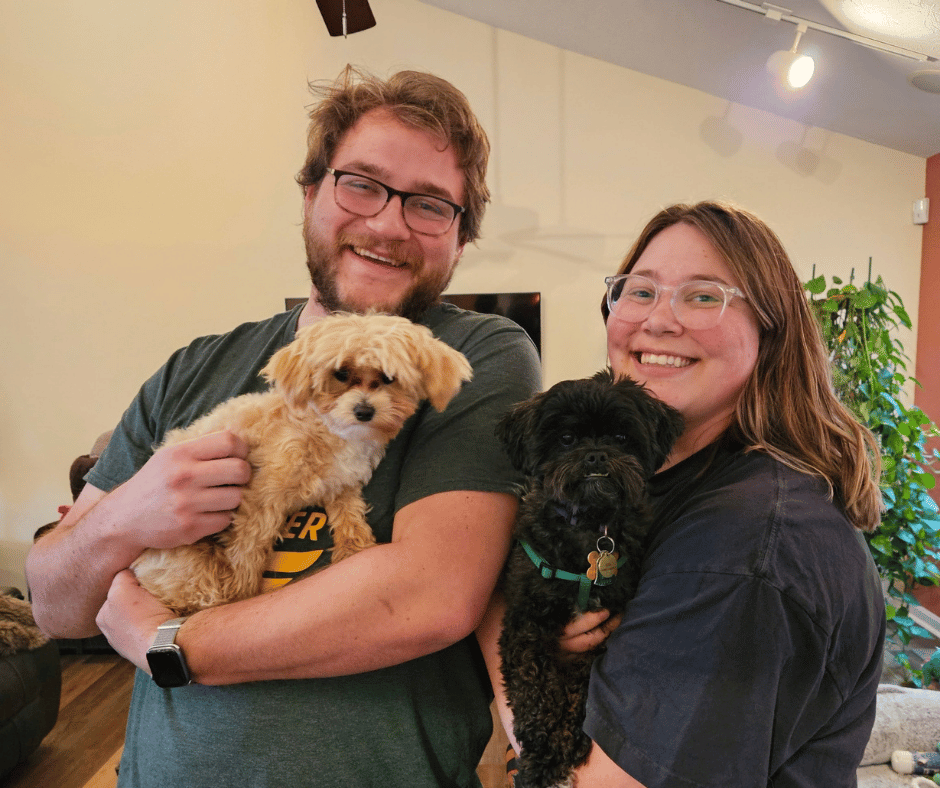
About Olivia: Olivia Barnaclo is a Cincinnati-based music therapist with Keys for Success Music Therapy, a treasured Giving Voice Foundation partner in Creative Connections. Through music and movement, Olivia helps create joyful, responsive spaces where individuals living with dementia and their care partners can connect, express themselves, and simply be together. Her personal connection to dementia began with her grandmother, and her years alongside Creative Connections families have deepened her belief in listening, flexibility, and supporting the whole family. Outside of her work, Olivia enjoys singing in choir, gardening, walking her two dogs, traveling to Michigan, and being an aunt.
Music has been part of my whole life. You could often find me running around the house singing, dancing, and standing on my tippy toes to reach the piano. I was born and raised in Cincinnati, and I started connecting with older adults through music when I was five years old. When I was five, my grandma was diagnosed with multiple systems atrophy which manifests in a similar fashion as Parkinson’s disease and Lewy body dementia. When playing the piano and chatting with my grandma and her roommates, I didn’t know that my natural inclinations for listening and talking with my elders would shape the rest of my life and work. There was something about those relationships that came naturally to me, even then.
Today, I’m a music therapist with Keys for Success Music Therapy. Keys for Success is a music therapy private practice that provides individual and group music therapy sessions, across the tristate area. We have many incredible community partnerships including one with Giving Voice Foundation. When I’m not making music professionally, I’m usually still making it somehow. I sing in a choir for fun and love to play guitar for my two-year-old nephew and his friends. Outside of music, I love gardening, walking our two dogs with my husband, being an aunt, cheering on the Bengals, and spending time in Michigan.
“Music may be what first brings us into the room together. But ultimately, it's the connection that keeps us coming back.”
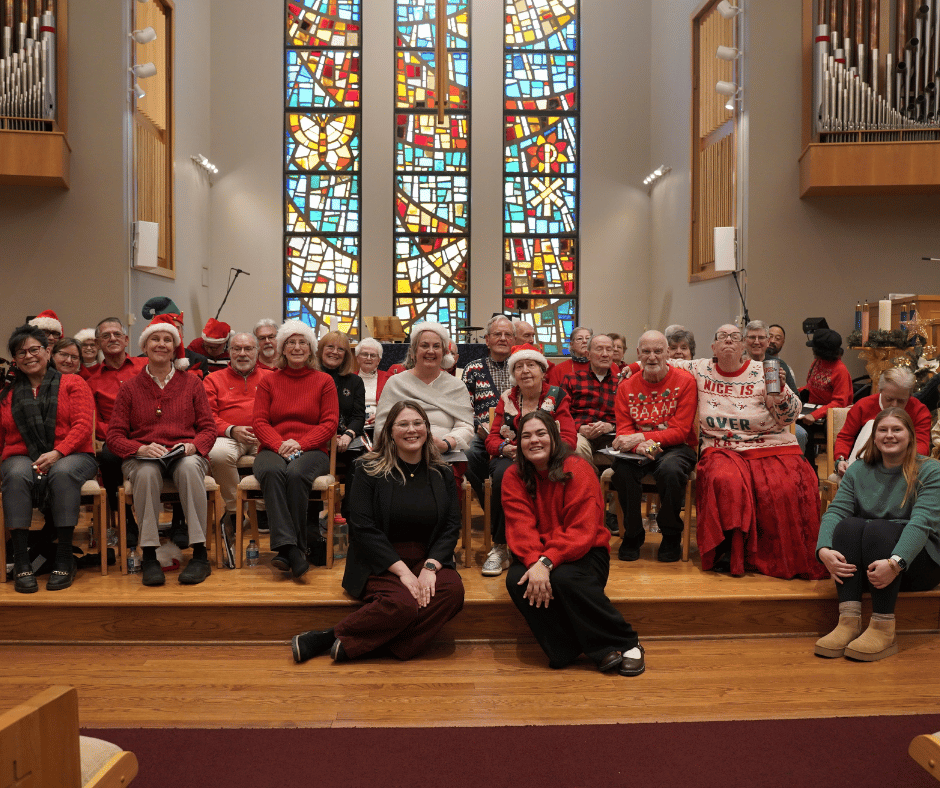
My first personal connection to dementia was through my grandmother. She had symptoms that looked very much like dementia, and she was often placed in nursing care rooms with roommates with dementia. My mom was her primary caregiver. Every day I would walk to Marjorie P Lee from school with my mom to go spend time with my grandma and her roommate. My mom often describes that people were concerned with me being exposed to a nursing home at such a young age. She often responded that I was at my happiest when I was singing, laughing, and talking with all the ladies I met there. Later, as I studied music therapy, I worked in a memory care community and began seeing more clearly what music could do for people living with dementia. For a long time, though, most of what I knew about dementia came from seeing people in the later or end stages of the disease.
Creative Connections changed that for me.
Now I get to see the journey much earlier. I understand the different stages of the disease so much better because I’ve had the opportunity to walk alongside some individuals and families for over three years. It’s an honor and a privilege to be welcomed into their journeys from the beginning.
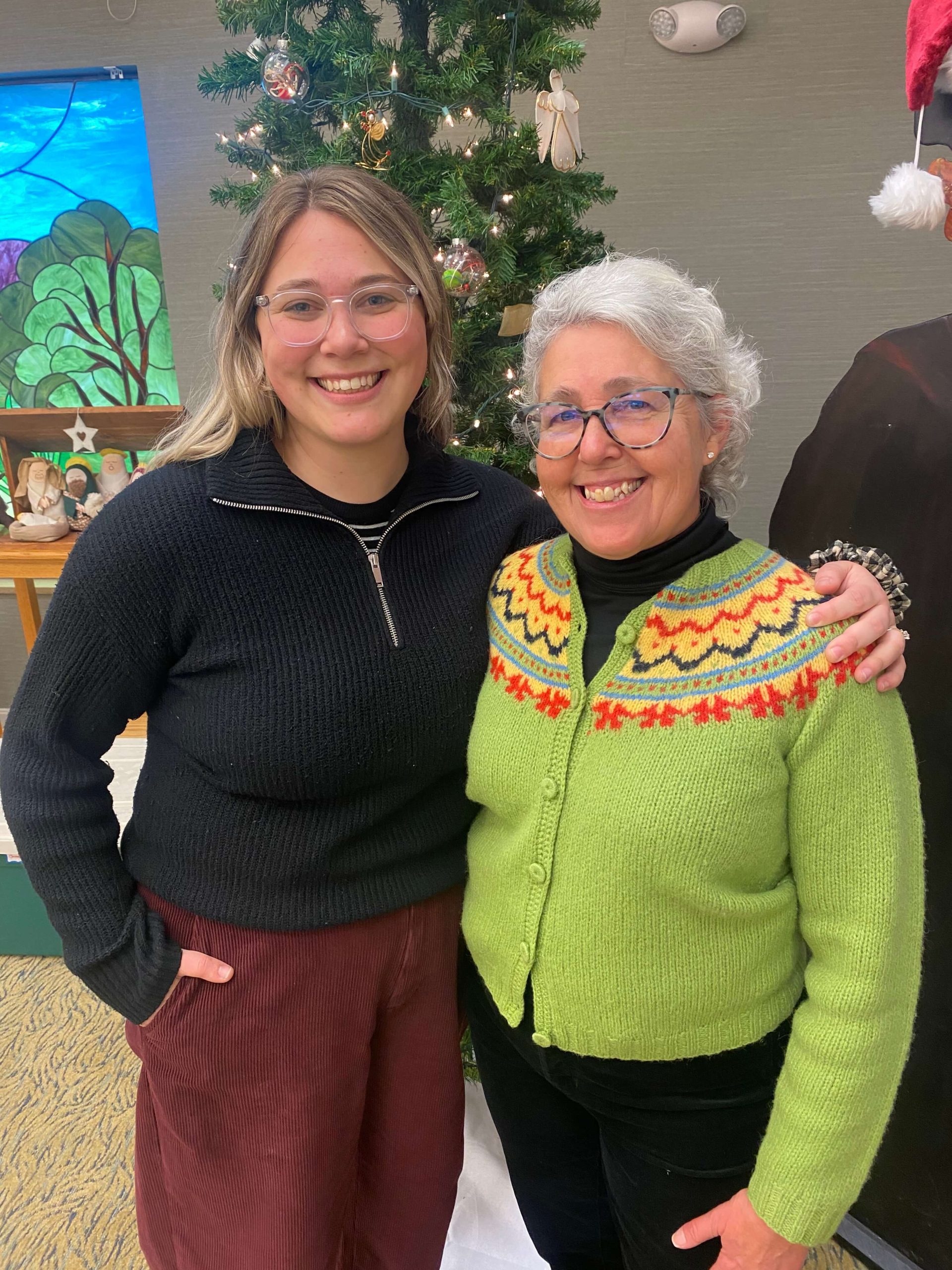
“I get to know the person beyond the diagnosis and beyond the burden of the disease, and their care partner.”
As a music therapist when planning a Creative Connections session, we’re thinking about every person who is going to walk into that room and how we can support them through music and movement. Yes, we have fun. We sing and laugh and move together. But it is more than just fun. We’re creating a safe space, a brave space, for everyone to belong. And no two sessions are exactly alike. This work isn’t textbook. You can walk into a session with a plan and discover that what the group needs that day is completely different.
One of my personal mottos is “Be cheerful and flexible.” Maybe someone will become agitated. Maybe a particular song isn’t connecting the way we thought it would. We may need to change the music or change direction entirely. We are always guiding toward the best experience for the people in the room on that day. That’s part of why listening matters so much. You never know what someone is going through…so I lead with listening.
Creative Connections has also taught me that supporting someone living with dementia means supporting the whole family. I get to know the person beyond the diagnosis and beyond the burden of the disease, and their care partner. Sometimes I get to know their children, grandchildren, and friends too. It’s such a gift when others are included in Creative Connections sessions because it allows everyone to experience the joy that we see every week. These sessions are often the highlight of someone’s day. I especially love when grandchildren come into the room because I think back to my own experience of being young and making music with my grandmother and her music therapist.
“It’s an honor and a privilege to hold space for everyone in the comfort of their Creative Connections family.”
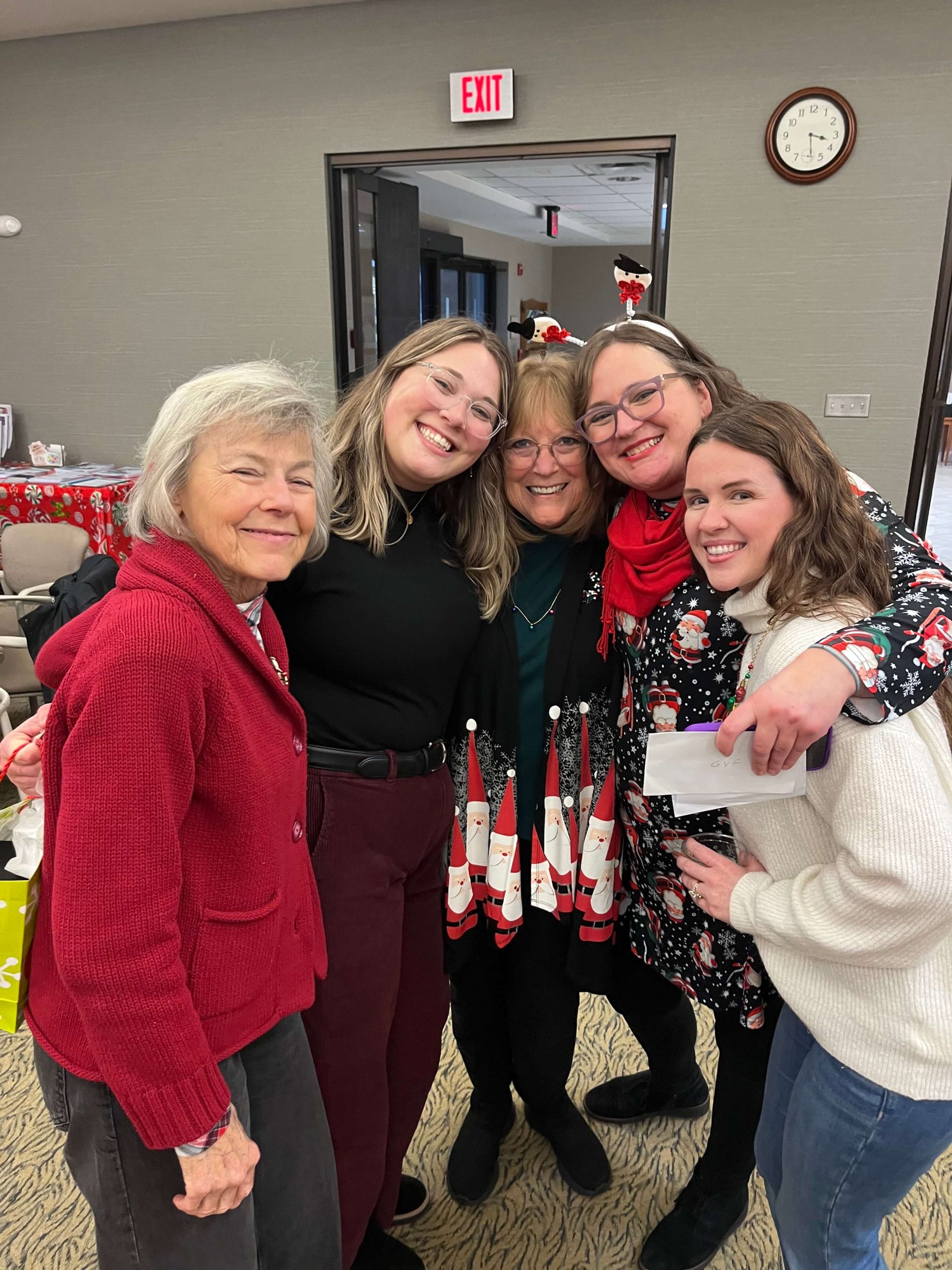
Over time, the group becomes an extended family. People have lunch together. They know what’s happening in each other’s lives. They care about one another. As a professional, I have to be willing to be vulnerable enough to be part of that community and to care, too. It’s an honor and a privilege to hold space for everyone in the comfort of their Creative Connections family. I’m incredibly grateful to be part of other people’s stories and lives. It has had a profound impact on my own.
My mom now volunteers with Creative Connections, something that has healed part of her and connected her with old and new friends. It’s also connected us together in doing something we love: making music together in honor and memory of my late grandma. As a music therapist, I now lead multiple music therapy groups in memory care communities, including at the same residence where my grandma lived.
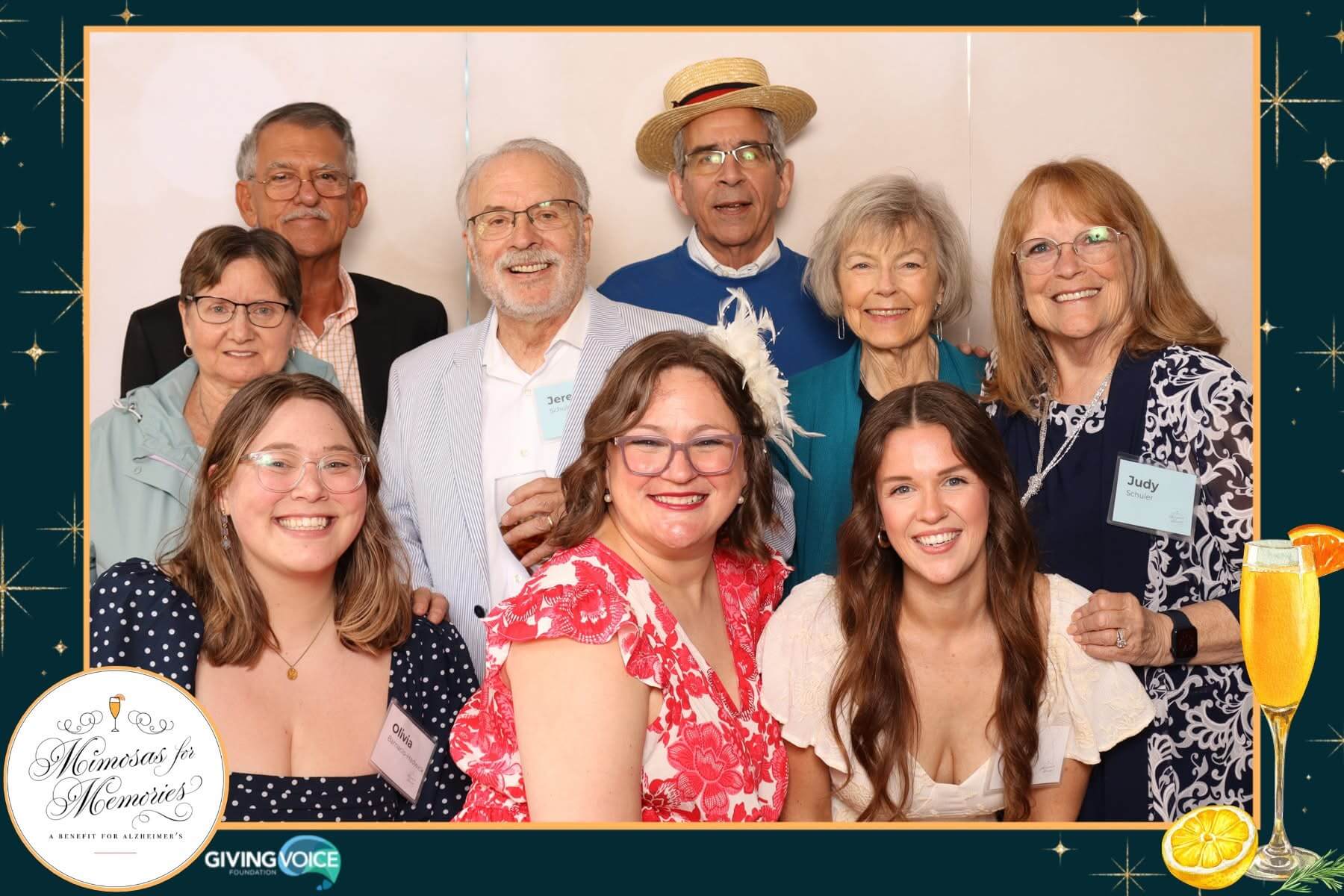
“It’s an honor and a privilege to hold space for everyone in the comfort of their Creative Connections family.”
I’ve gotten to know so many people through this work that it would be hard to choose one relationship that stands out above the rest. What stays with me instead are the moments when someone recognizes me. And I don’t necessarily mean that they remember my name or even my face…it’s when they recognize the connection. They know we’ve had fun together. There is familiarity and an appreciation between us. The details may not always be there, but something about the relationship is. Those moments mean a lot to me.
That’s also what I wish more people understood about Giving Voice Foundation. Giving Voice is more than programs. It’s the people participating, the care partners, volunteers, staff, and partners. Together, they create this unique and really wonderful community. There is a place for everyone.
If someone is considering attending Creative Connections or volunteering, I would tell them to be open and honest. You don’t have to know exactly what to expect. It’s a safe space, and the group is incredibly open and welcoming to new members and volunteers.
And if you volunteer, you may be surprised by what happens. You’ll certainly learn more about dementia. But you’ll probably learn more about yourself, too…I know I have!
Music may be what first brings us into the room together. But ultimately, it’s the connection that keeps us coming back.
Your Voice Belongs Here
Did this story remind you of one of your own?
Whether you’re living with dementia, supporting someone you love, working alongside families, or carrying a memory that matters, we’d be honored to hear it.
Prefer to put your story into your own words? Use our optional prompts for inspiration, then submit your story and photos when you’re ready. Your voice stays yours.
Prefer a conversation? Connect with a volunteer Story Guide who will listen and help shape your words into a story you’ll review and approve before it’s ever shared.
However you choose to share, your voice matters.