The Best Gift
About Terri: Terri Burke is a volunteer with Giving Voice Foundation’s Northern Kentucky Creative Connections program, where she helps create a welcoming, joyful space for individuals living with dementia while their care partners participate in concurrent support. Her own caregiving journey began after her father developed dementia, ultimately bringing Terri back to Cincinnati and changing the course of her life. A lifelong learner, enthusiastic traveler, devoted aunt, and avid live-music fan, Terri now uses what she learned alongside her parents to support other families—always reminding care partners to ask for help early, preserve the person beyond the diagnosis, and never underestimate the power of connection.
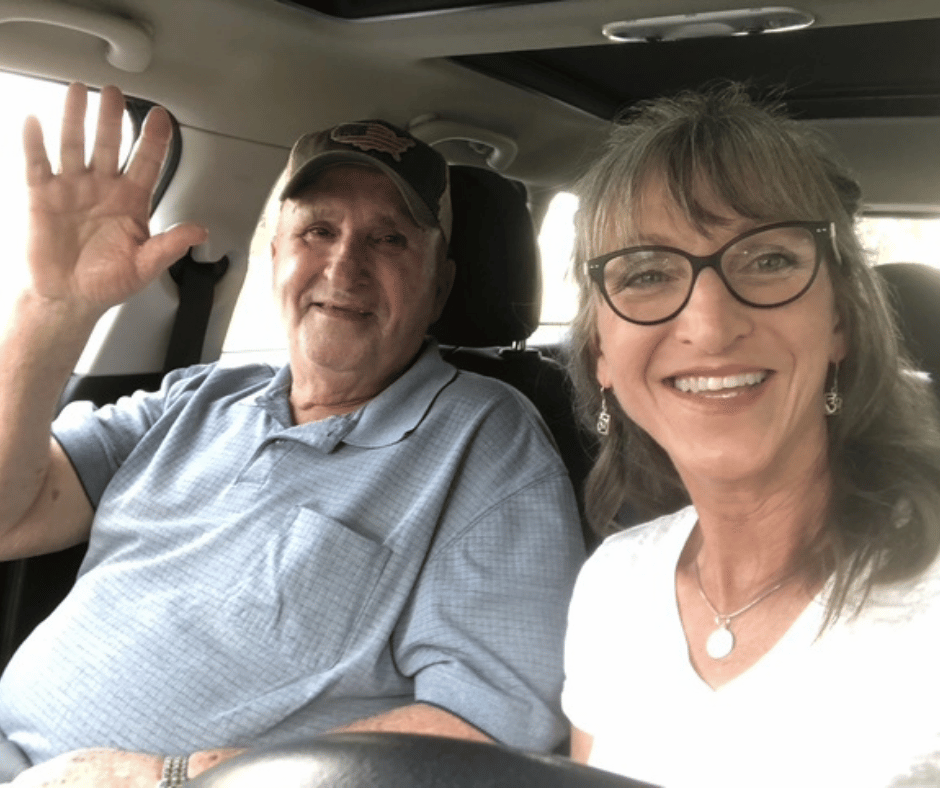
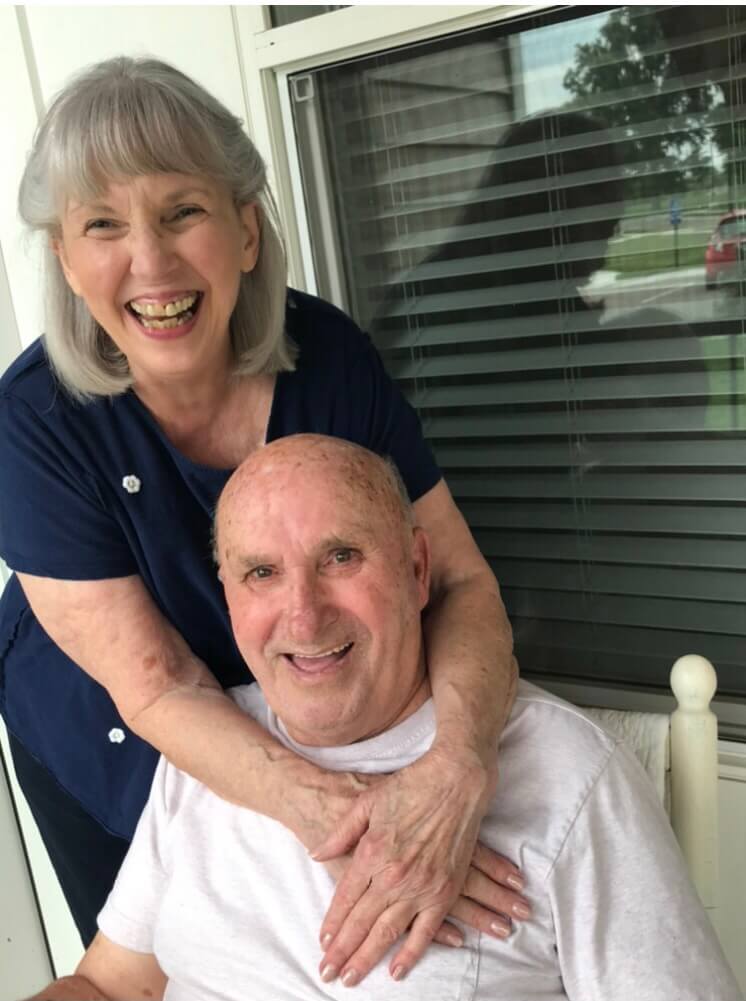
My dad and I used to go on long drives together. He had been a truck driver, so driving was a big part of who he was. After dementia made it unsafe for him to be behind the wheel himself, getting in the car together became something different for us. He would tell me stories I had never heard before. We shared a love of music, so we would sing together in the car. I eventually put up a camera so I could record some of our sing-alongs. Looking back, those drives were one of the best gifts. I feel lucky to have had that time with him.
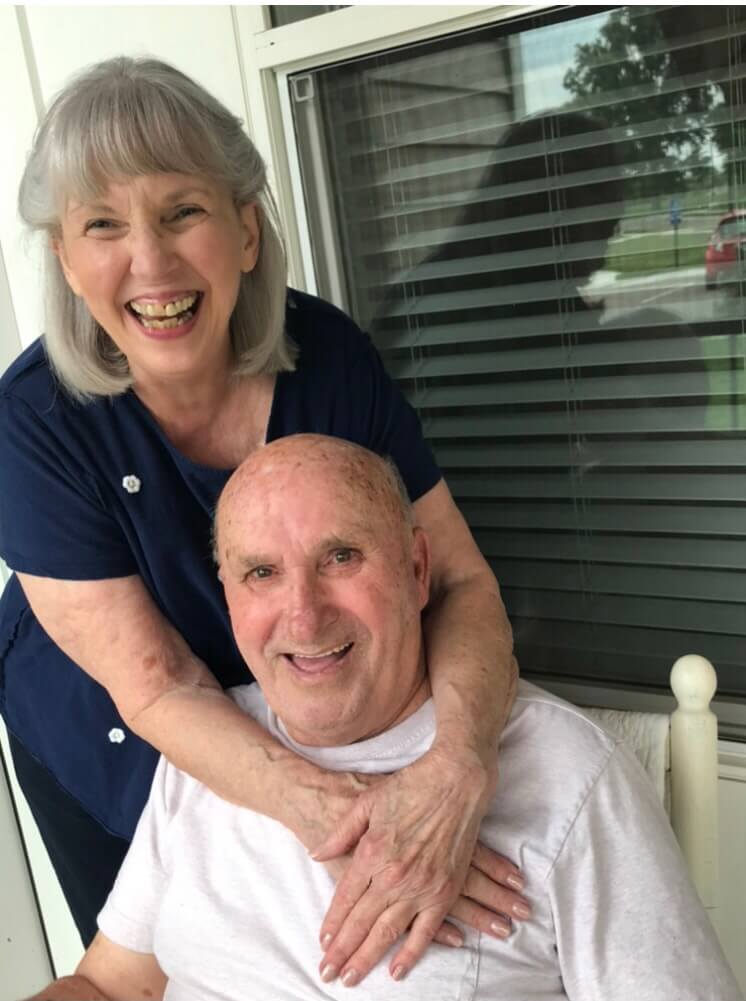
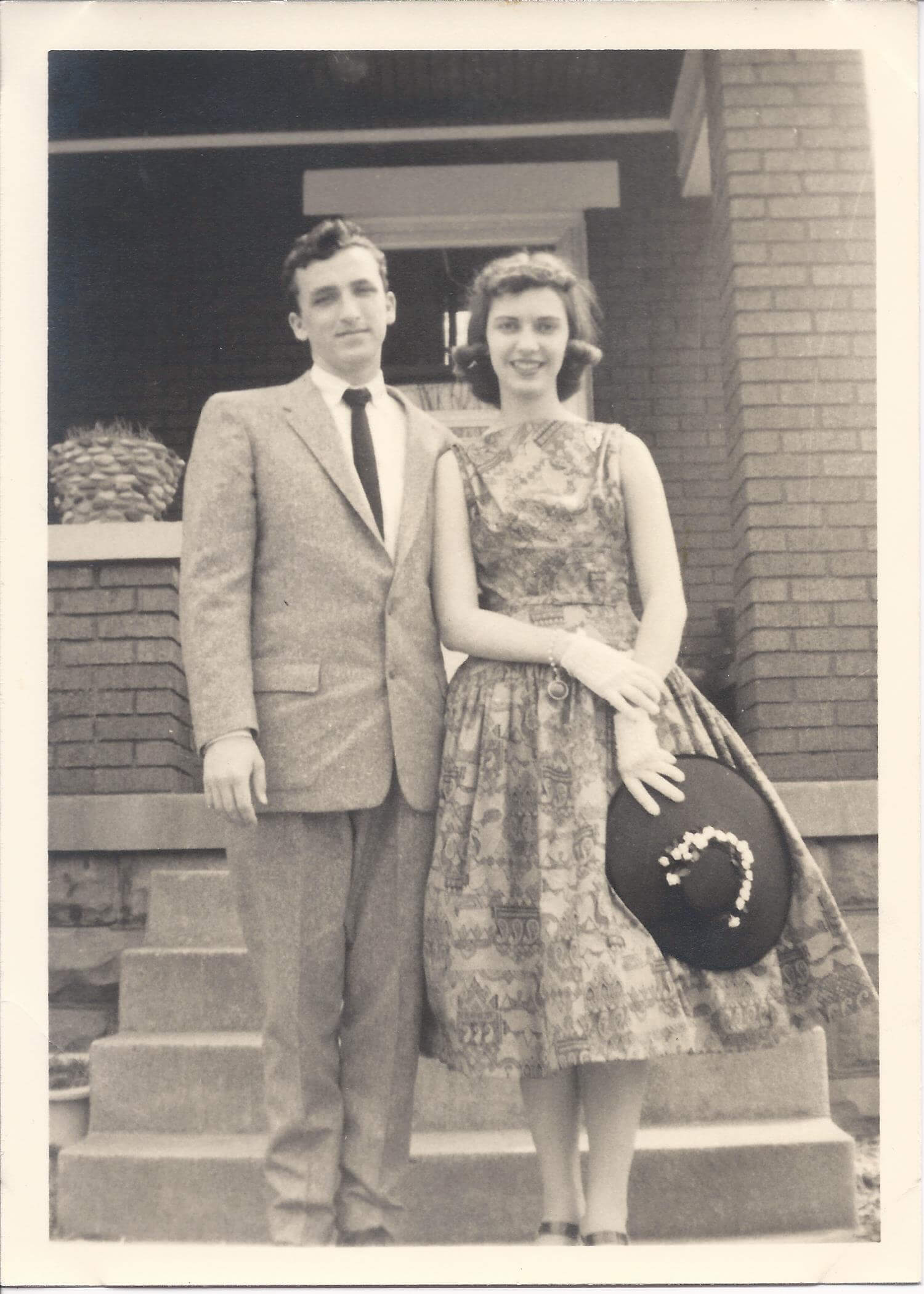
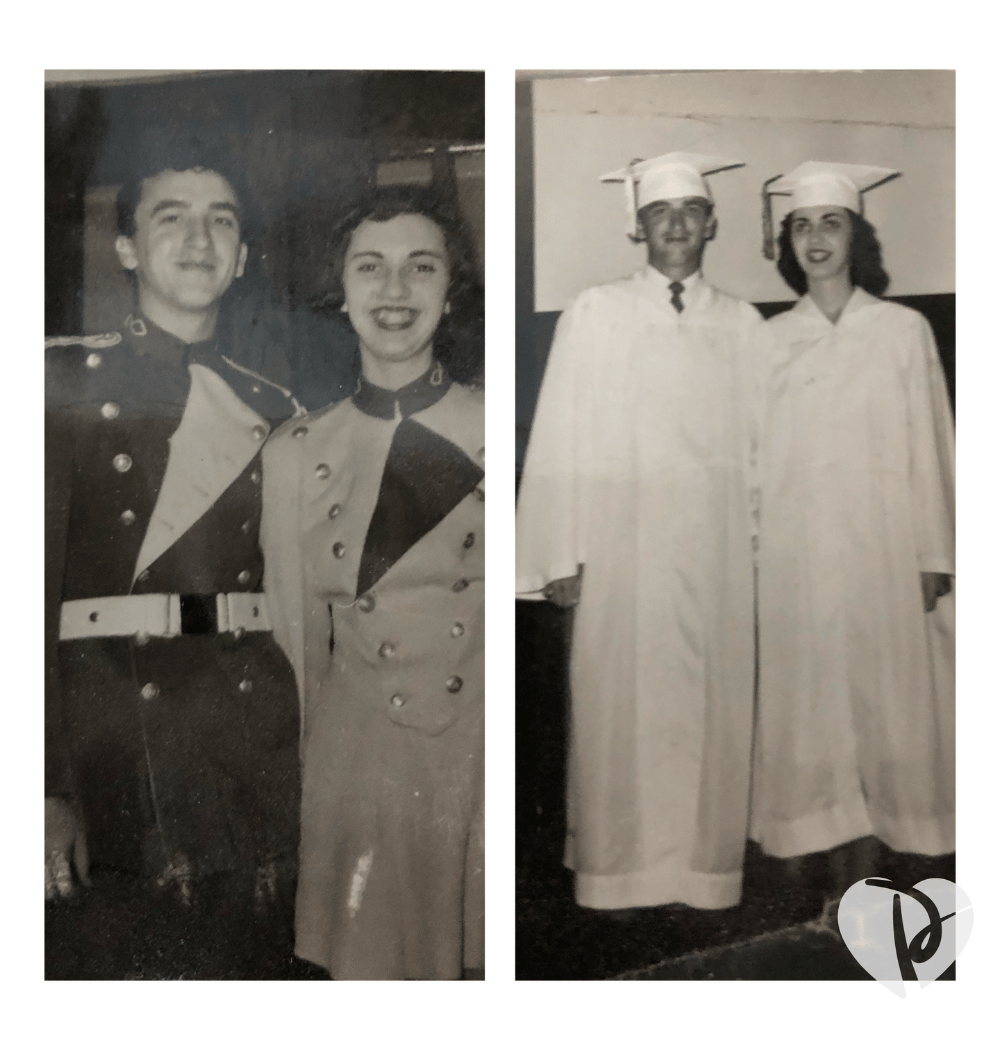
I’m the oldest of three daughters. My parents were high school sweethearts and married for almost 62 years. I never had children myself, but I get to be the fun aunt, and I’ve loved taking my nieces and nephews on trips. Travel is a huge part of my life because I love experiencing other cultures and learning new things. I consider myself a lifelong learner. That is another quality that comes from my dad. When we were kids and he helped us with homework, he would tell us to always know ‘why’, do not just memorize answers.
Dementia has impacted just about every aspect of my life. My dad had a stroke at 64. About ten years later, we began noticing behaviors that concerned me and we took him to his neurologist. He was diagnosed with dementia.
“Dementia took a lot from our family. But it also taught me to pay attention to the person who is still there.”
At the time, I was living in Memphis. The doctor told us that this disease can kill the caregiver before the patient. I couldn’t sleep for several nights after hearing that. I knew I needed to come home.
I did a complete 180 with my life, moved back to Cincinnati, and started working remotely. Before long, I felt like I wasn’t doing either job – my secular work or caregiving – very well. At 55, I finally left my job to help care for Dad.
Mom and I read The 36-Hour Day. She was still in some denial about what was happening, but reading it helped us understand what we were facing. This was going to be a tough road. I started taking every course I could. I wanted to understand what Dad was experiencing so I could meet him where he was.
“Looking back, those drives were one of the best gifts. I feel lucky to have had that time with him.”
Dementia affects so much more than memory, and I don’t think people always understand that. At the same time, we shouldn’t assume everything about the person disappears because of the disease. I saw Dad light up when he was around his peers. He loved adult day programs because he could engage with other people and feel like himself. It also gave Mom and me a needed break.
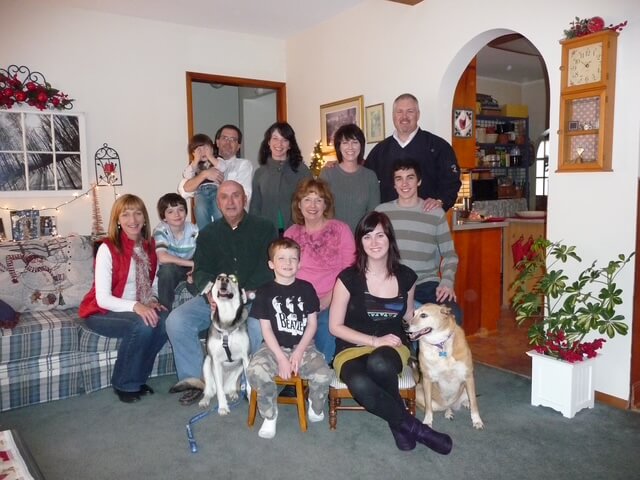
So now I tell people: ask for help early and often. Don’t be the frog in the pot. Find a support group. Check in on a caregiver. When Dad eventually needed memory care, Mom struggled tremendously with guilt. Having people around us who understood made a difference. We gained family through support groups.
“What truly recharges me is connection.”
That experience is one reason volunteering at Giving Voice Foundation’s Northern Kentucky Creative Connections means so much to me now. Our Tuesday group has become family. I spend time in the Creative Connections room with participants while their care partners have the opportunity to attend their support group. They are so thankful for that time. Care partners are an underserved community, and there is so much more to dementia than the clinical side of the disease.
I probably cry at least once a week because of the sweetness I get to witness. Recently, a daughter told us her father had played the harmonica and asked if she could bring it for him to play with the music group. Of course.
“We gained family through support groups.”
Then she noticed another gentleman tapping out the beat like he was playing drums on his walker. The next week, she brought him a bongo. Now we have a music group.
Those moments remind me of Dad. The music. The drives. The stories I had never heard. The chance for him to feel like himself. Dementia took a lot from our family. But it also taught me to pay attention to the person who is still there. And that is something I carry with me every Tuesday.

Your Voice Belongs Here
Did this story remind you of one of your own?
Whether you’re living with dementia, supporting someone you love, working alongside families, or carrying a memory that matters, we’d be honored to hear it.
Prefer to put your story into your own words? Use our optional prompts for inspiration, then submit your story and photos when you’re ready. Your voice stays yours.
Prefer a conversation? Connect with a volunteer Story Guide who will listen and help shape your words into a story you’ll review and approve before it’s ever shared.
However you choose to share, your voice matters.