When I'm In It, I'm In It!
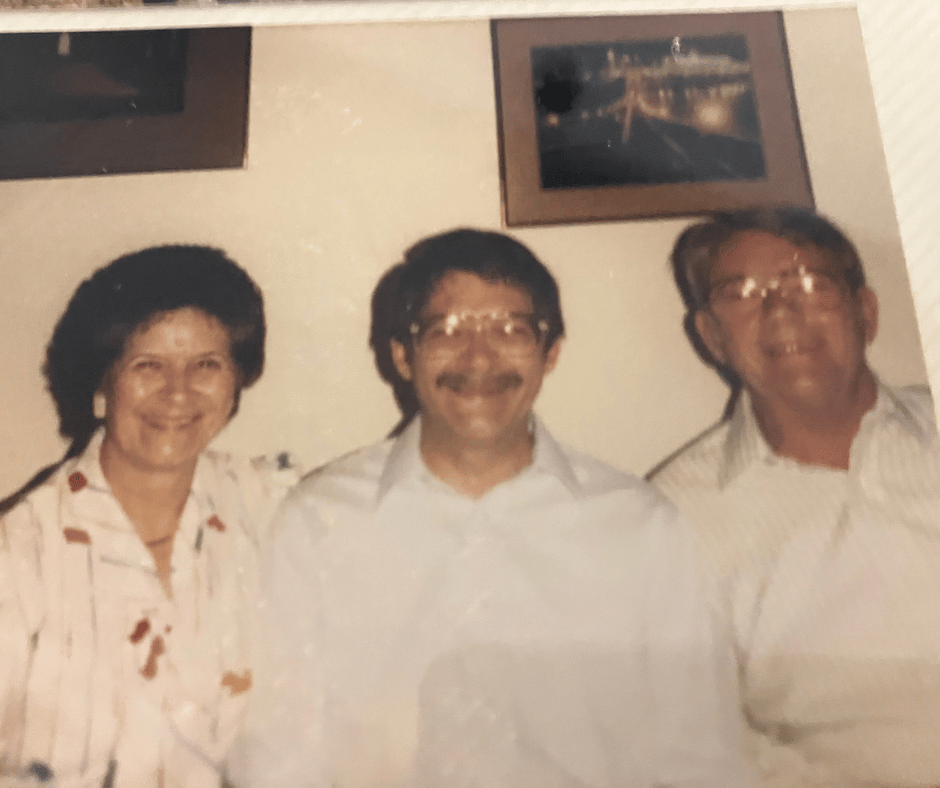
About Diana: Diana Barhorst is a longtime friend, champion, and advocate of Giving Voice Foundation and families impacted by dementia. Throughout her husband’s ten-year journey with dementia and beyond, Diana has been a dedicated voice for greater awareness, research, resources, and support. She has spent countless hours meeting with and educating state and federal elected leaders about the needs of individuals living with dementia and their care partners. Known for her determination, directness, and willingness to take action, Diana continues to advocate for families (locally, regionally, and globally) and a community that takes better care of one another.
When I’m in it, I’m in it! I’ve always been that way. If something needs to be done, I’m going to figure out how to do it. I ask questions, make a plan, and get people involved. I don’t sit around waiting for somebody else to take care of things.
Life threw a lot at me early on. My mother died of cancer when I was just two years old, and I had to grow up learning how to handle difficult things.
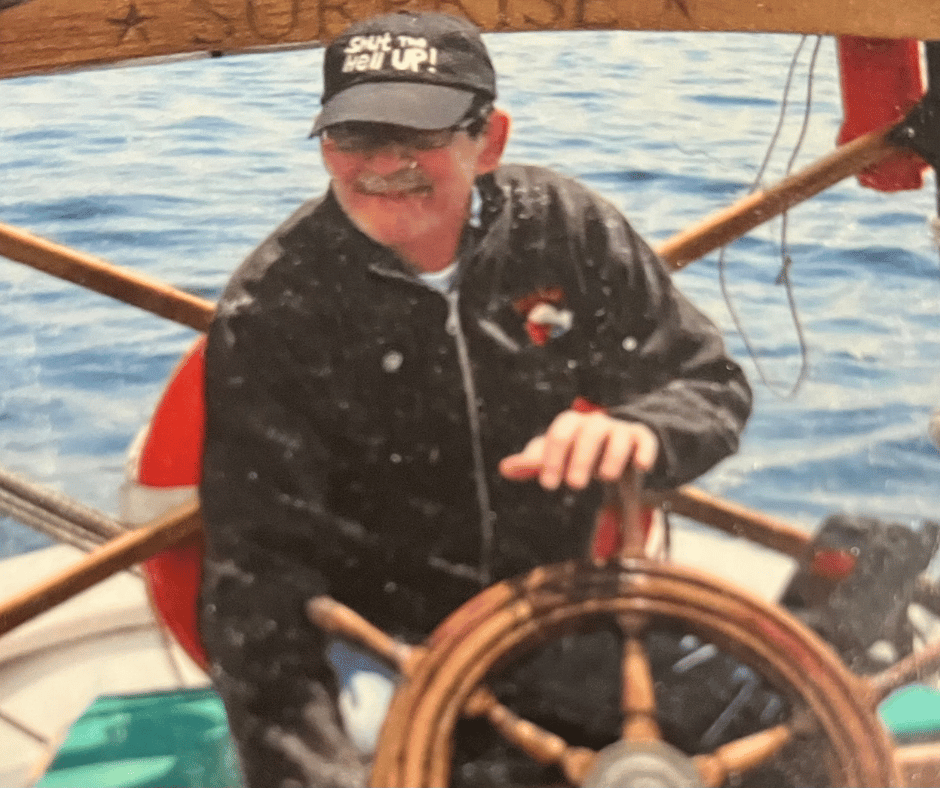
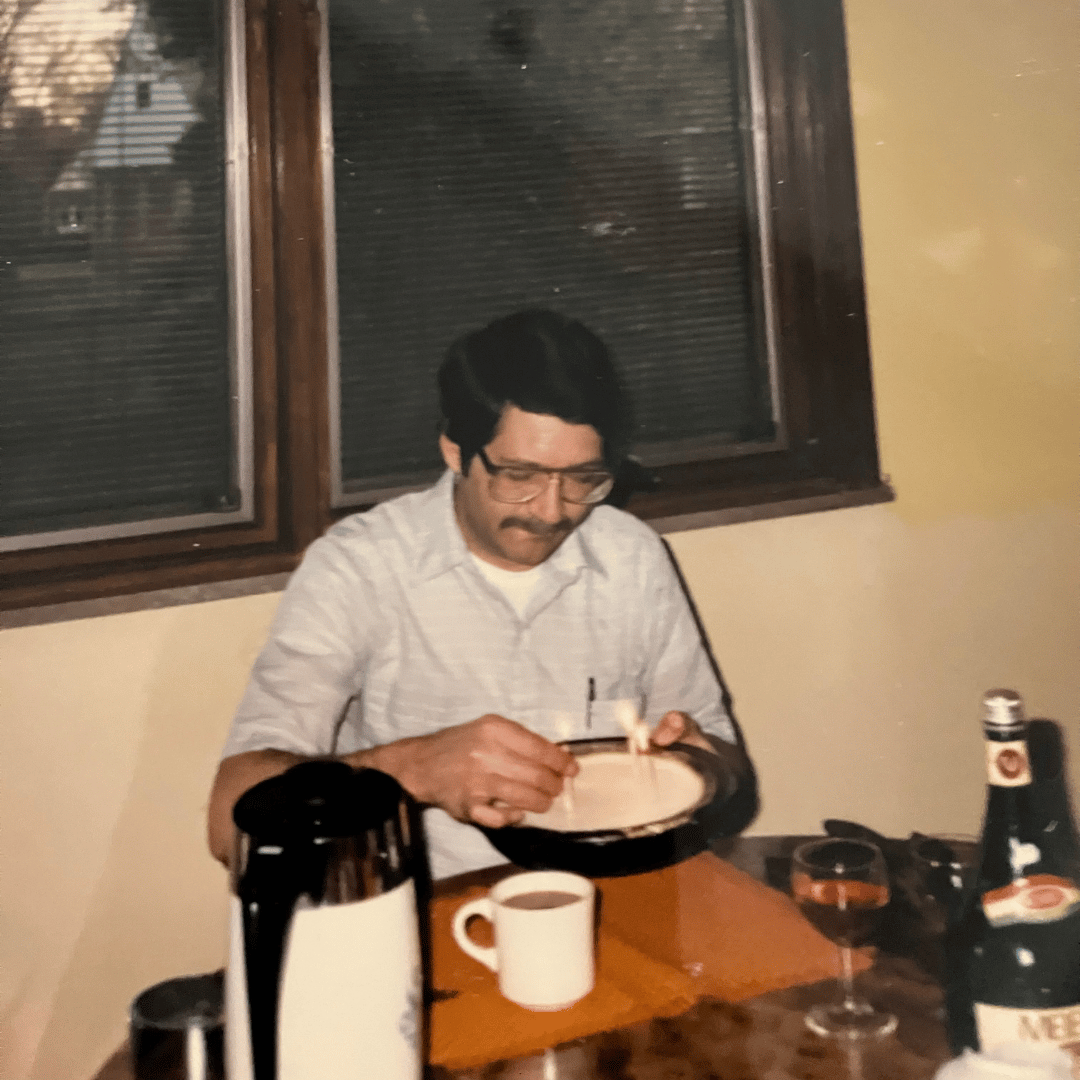
I married Ken when I was 18. He worked in the tool and die business, specifically making jewelry, and we were married for several years. We were a team, and that became especially important when dementia entered our lives.
In 2002, I started noticing Ken forgetting things. I didn’t wait around to see what would happen. I called the doctor right away because I wanted to know what we were dealing with. Ken was diagnosed with vascular dementia. Several years later, he was also diagnosed with frontotemporal dementia. From the beginning, I shared everything with him. When we went to appointments, I encouraged him to ask questions and be part of the decisions we were making. I wasn’t going to make him feel like everything was happening around him without his involvement. We were a team.
“I loved him, and I wanted to care for him in a way that respected who he was.”
When Ken was first diagnosed, I made three rules for myself. I was going to maintain his dignity. I wasn’t going to put him in adult diapers. And I wasn’t going to move him into a facility. Those were my commitments, and I was determined to do everything I could to honor them.
One of the difficult decisions we faced was when Ken needed to stop driving. But because we had always approached things together, we made that decision together, too. It was easier than it might have been if I had simply taken his keys away.
I learned early that keeping Ken involved mattered. At the time, I was working in banking and traveling quite a bit. I knew I couldn’t do everything myself, so I called a family meeting and started delegating responsibilities. Everybody had something they could do. People have told me I was always ahead of the curve when it came to caregiving. I don’t know about that…I just knew we needed a plan, and I wasn’t afraid to ask people to be part of it.
Something I didn’t understand at first was how much change could affect Ken. A disruption in his routine could make things worse so quickly. Things that might seem small to the rest of us could be terribly upsetting to him. I had to learn to pay attention to that.
I also had to learn patience. Now, anybody who knows me knows I am not a patient person! But with Ken, I learned to be very patient. I had to. I loved him, and I wanted to care for him in a way that respected who he was. As the disease progressed, things changed. There were challenges I couldn’t have anticipated when we first received the diagnosis, and there were times when all my determination couldn’t make something better.
Ken died in 2012, ten years after his diagnosis. I still think about how much families need to know when they’re facing this disease. One of the saddest things to me is how much information, care, and support is available that people simply don’t know about. There are resources that could make caregivers’ lives easier, but if nobody tells them those resources exist, how are they supposed to use them?
That’s part of why I’ve spent so much time advocating and educating others from the moment Ken was diagnosed. I’ve met with elected leaders at the state and federal levels, sharing what families experience and why we need greater investment in dementia research, care, and support. I want the people making decisions to understand what this disease actually looks like inside a family. And I want families to know they have options and people willing to help.
There is something else I tell caregivers, and it may not be what they want to hear. It isn’t all about you.
That doesn’t mean your feelings, exhaustion, or grief don’t matter. Believe me, they do. But when you’re caring for someone living with dementia, you have to recognize that the person isn’t choosing what is happening to them. The sooner you understand that reality, the better you can respond to what they need.
“There are resources that could make caregivers' lives easier, but if nobody tells them those resources exist, how are they supposed to use them?”
At the same time, caregivers have to take better care of themselves. You cannot keep giving everything you have without accepting some help along the way. I wish more people understood that, and I wish we did a better job as a community of taking care of one another.
I spent years fighting for Ken, learning alongside him, and trying to make the best decisions I could. I wouldn’t pretend any of it was easy. But I would do it again. Because Ken was my husband, my partner, and my teammate. Dementia changed what our lives looked like, but it didn’t change that.
And now, when I think about the families who are walking this road, I want them to have more information, more support, and more people standing beside them than we had.
I’m still in it.
“Dementia changed what our lives looked like, but it didn't change that.”
Your Voice Belongs Here
Did this story remind you of one of your own?
Whether you’re living with dementia, supporting someone you love, working alongside families, or carrying a memory that matters, we’d be honored to hear it.
Prefer to put your story into your own words? Use our optional prompts for inspiration, then submit your story and photos when you’re ready. Your voice stays yours.
Prefer a conversation? Connect with a volunteer Story Guide who will listen and help shape your words into a story you’ll review and approve before it’s ever shared.
However you choose to share, your voice matters.