Everything I Know, Someone Taught Me
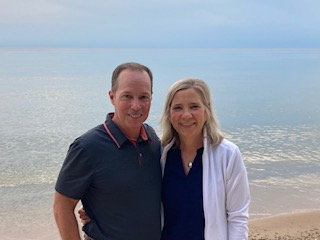
About Diane: Diane Kloenne is a gerontologist and dementia care professional with 35 years of experience serving older adults and their families. After spending much of her career in nursing home administration and senior living leadership, Diane moved into direct family support and now serves as one of Giving Voice Foundation’s Purposeful Planning Program dementia experts. Her professional experience became deeply personal as she walked alongside her own mother through dementia. A Cincinnati native and proud Miami University graduate, Diane lives an active life with her husband, Jim, and their family and volunteers alongside Jim as a Special Olympics pickleball coach. She believes deeply in helping families stay connected, find support, and continue seeing the person beyond the diagnosis.
I’ve worked in healthcare for 35 years, and for most of that time, older adults have been at the center of my work. I didn’t actually grow up knowing this was what I wanted to do. My mother suggested healthcare, so one summer I got a job as an activities helper and I got hooked. Older people have so much wisdom and joy. They understand what matters.
I am a proud graduate of Miami University where I studied gerontology at a time when it was one of the few places in the country offering the degree. I spent about 30 years in nursing home administration and as an Executive Director in care communities. Of all the people I served, individuals living with dementia were always where my passion was. I always thought about the residents first. That’s where my heart was.
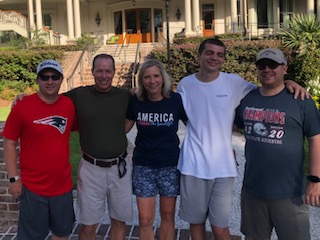
Outside of work, I’ve been married to my husband, Jim, for 31 years. We have three boys – twins who are now an accountant and a banker, and our youngest son, who has mild autism and works in the community. With all the men in my life, I am way outnumbered.
If I’m not working, I’m moving. Golf, hiking, and tennis-a sport Jim and I have played most of our lives. More recently, our son wanted to get involved with Special Olympics pickleball, so Jim and I became volunteer coaches. Now we get to do that together. I don’t sit still very well.
That applies to my work, too. After managing a care community through COVID, I eventually knew I needed something more flexible for my family. That period was probably the hardest of my entire career. No one signed up for that. Residents couldn’t understand why their families couldn’t visit or why we were keeping people apart. I felt like a prison guard. Nurses walked out because of the conditions. There were many days when I felt like walking out, too. I never would have thought. My mantra became, “Keep calm and carry on.” While so many people were home spending more time with their families, those of us working in care communities felt like we were in a battle. Eventually, I moved into work where I could help families after a dementia diagnosis. It became some of my favorite work I have ever done.
“But isolation is the worst thing you can do. You have to do the opposite. You have to talk about it. You have to get help. You have to find support. And you have to keep doing what you love.”
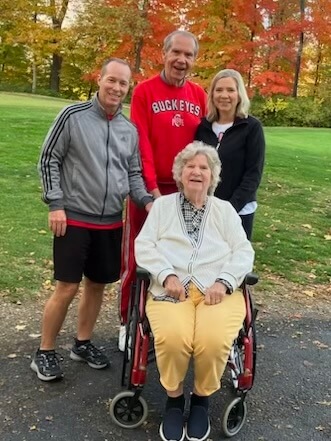
Then dementia became deeply personal. My mother spent the last four years of her life in assisted living and her final year in memory care. She died this past December. Suddenly I was doing some of the same things I had counseled families about for my entire career. I would ask Mom what she had for lunch. She didn’t know…she couldn’t answer. And I knew better!
Sometimes the phone would ring in the evenings. Mom would be calling, very confused. Jim would tell me not to answer. He would listen to the voicemail first, trying to protect me from the pain of hearing it. All my professional experience didn’t make being the daughter of a mother living with dementia easier.
Mom was a firecracker. She told me that when she was growing up, the only goal her parents really set for her was to marry a white Catholic man. There weren’t expectations that she would go to college or pursue a career. Not going to college became one of her biggest regrets, even though she was successful at whatever she did.
She was very Type A, and that determination got passed down to her children. Whatever we wanted to accomplish, whatever our dreams were, she would put something in our path to help make it happen. We thought maybe she would chill a little as she got older. She didn’t.
Watching my mom reinforced something I had learned professionally: there can be a negative connotation around a dementia diagnosis that causes people and families to pull away. People isolate. Sometimes they’re ashamed, or they don’t want to talk about the disease. But isolation is the worst thing you can do. You have to do the opposite. You have to talk about it. You have to get help. You have to find support. And you have to keep doing what you love.
People hear dementia and think it is a death sentence. And yes, it is a terminal disease. But the person is still here. You have to go where they are. Throughout my career, I learned from residents every day – their stories, the way they interacted, their wisdom, their joy. Dementia doesn’t erase all of that.
That is part of why Creative Connections has been so meaningful for me since joining Giving Voice Foundation. People come every week and are accepted exactly as they are. Their normal is normal. Music and movement can bring incredible joy. I remember hearing music from the ’50s and ’60s at a session and thinking, I had completely forgotten about that song. I went home and downloaded it myself. That program is impactful because people belong there.
Purposeful Planning has given me another way to do what I love: listen to families’ stories, offer guidance, and help them figure out what comes next. It is extremely rewarding. When my position before Giving Voice ended, Jim had retired and thought maybe I should retire, too. I stayed home for two weeks. Then I said, “I have to go back.” It’s in my blood. I need to be with this population and keep doing what I love.
“You have to go where they are.”
After 35 years, I still learn from the people and families I meet. I still see wisdom. I still see purpose. I still see joy. A diagnosis changes things. Sometimes it changes almost everything. But they’re still here. And that matters.
“A diagnosis changes things. Sometimes it changes almost everything. But they’re still here. And that matters.”
Your Voice Belongs Here
Did this story remind you of one of your own?
Whether you’re living with dementia, supporting someone you love, working alongside families, or carrying a memory that matters, we’d be honored to hear it.
Prefer to put your story into your own words? Use our optional prompts for inspiration, then submit your story and photos when you’re ready. Your voice stays yours.
Prefer a conversation? Connect with a volunteer Story Guide who will listen and help shape your words into a story you’ll review and approve before it’s ever shared.
However you choose to share, your voice matters.