Monday is My Favorite Day
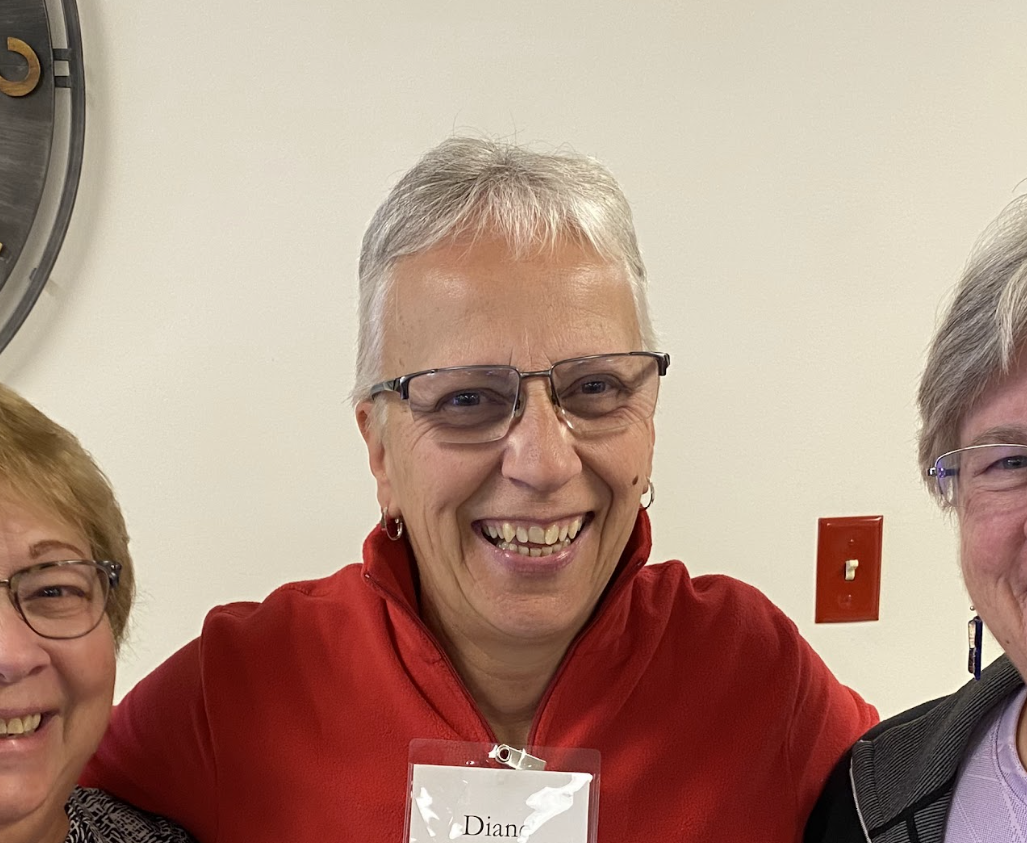
About Diane: Diane Riehle is a Giving Voice Foundation volunteer and champion who regularly lends her time, energy, and enthusiasm to Creative Connections and other GVF programs and events. After retiring from a career she loved at Buffalo Trace, Diane moved to Cincinnati and quickly found a new community through Giving Voice. She is passionate about personal health, lifelong learning, and the power of showing up for others – and believes anyone can make a difference by being themselves, embracing a little goofy, and being willing to try.
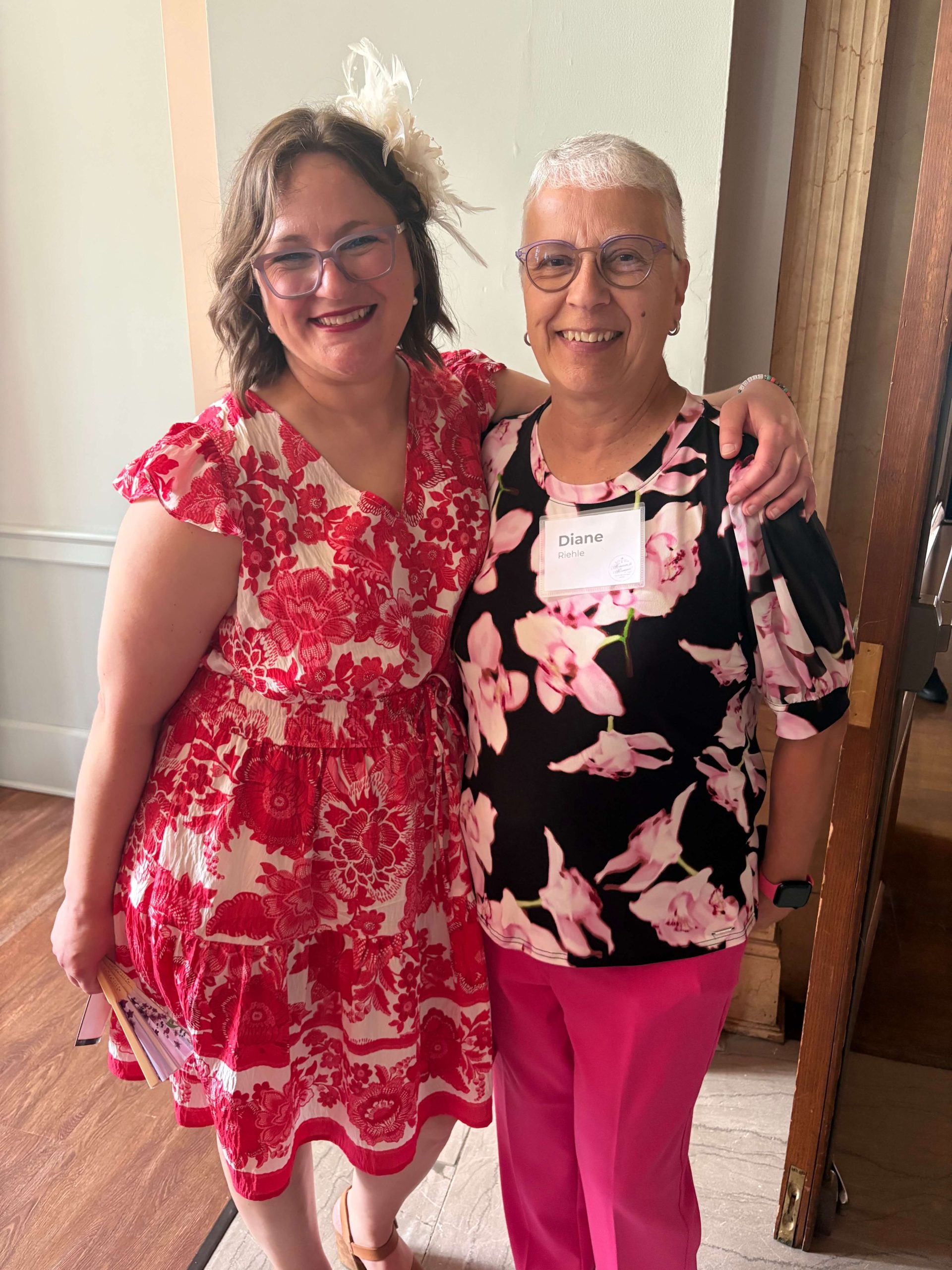
I would probably describe myself as a workaholic. I think other people who know me would say the same thing.
I spent much of my career in Southeastern Indiana in Human Resources and worked long hours. I moved to Frankfort, Kentucky and worked the last 8 years of my career at Buffalo Trace Distillery. It was a “cool” job and I was very passionate about my work there. I retired early, and about three years ago, I moved to Cincinnati from Frankfort, Kentucky. I have three children and six grandchildren. One of my daughters, Kristin Cooley, is the Program Director at Giving Voice Foundation.
That’s how I first got connected to Giving Voice.
It started very simply. I was helping pick up flowers for Creative Connections. After doing that two or three times, I found myself spending more time in the room. I watched what was happening and thought, I want to help with this, too. It was a very easy transition.
Dementia has not personally impacted my immediate family, so when I first started volunteering, I didn’t come in with a lot of experience or knowledge about it. I learned about dementia by being around the people at Creative Connections and watching what happened each week. And what happens in that room is magical.
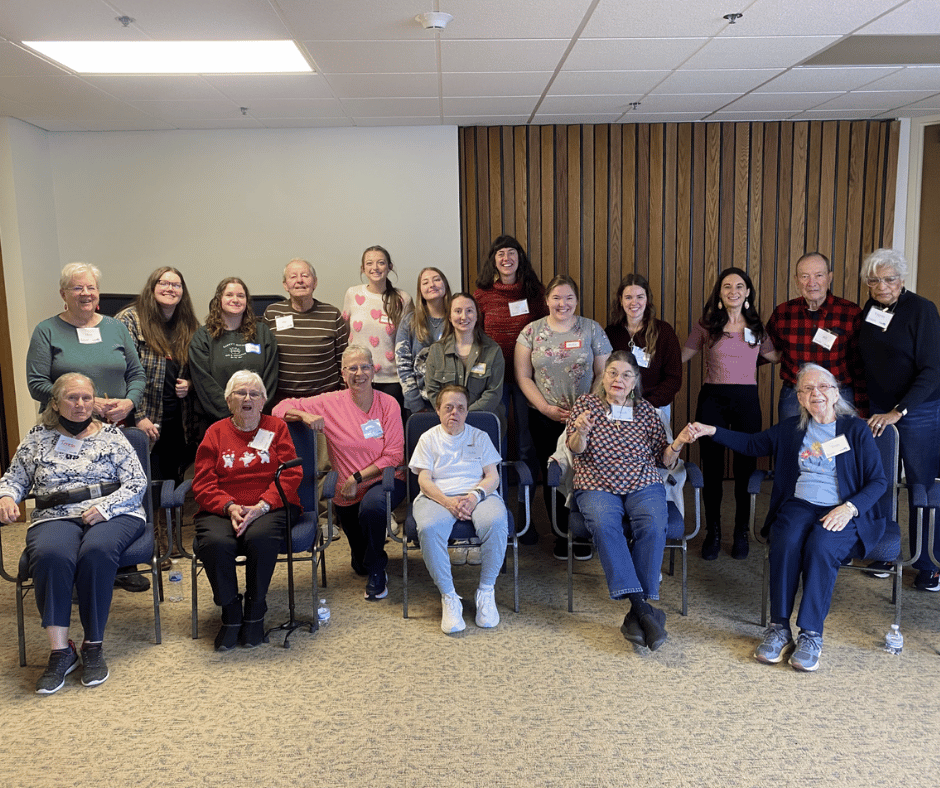
Monday is now my favorite day of the week. I get to watch people wrap their arms around each other. I see the way they comfort one another and the connections that form because of what they are facing together. Those relationships don’t necessarily stop when the program ends, either. Sometimes people head to Skyline afterward for lunch. They’re true connections.
And there is also the music. I’ve watched people hear a song and suddenly remember the words. I’ve personally seen someone who was nonverbal begin singing. You can see someone just lighten up when they realize they remember a song or a lyric. It amazes me every time.
“You walk into a room thinking you're there to help, and then these people become part of your life.”
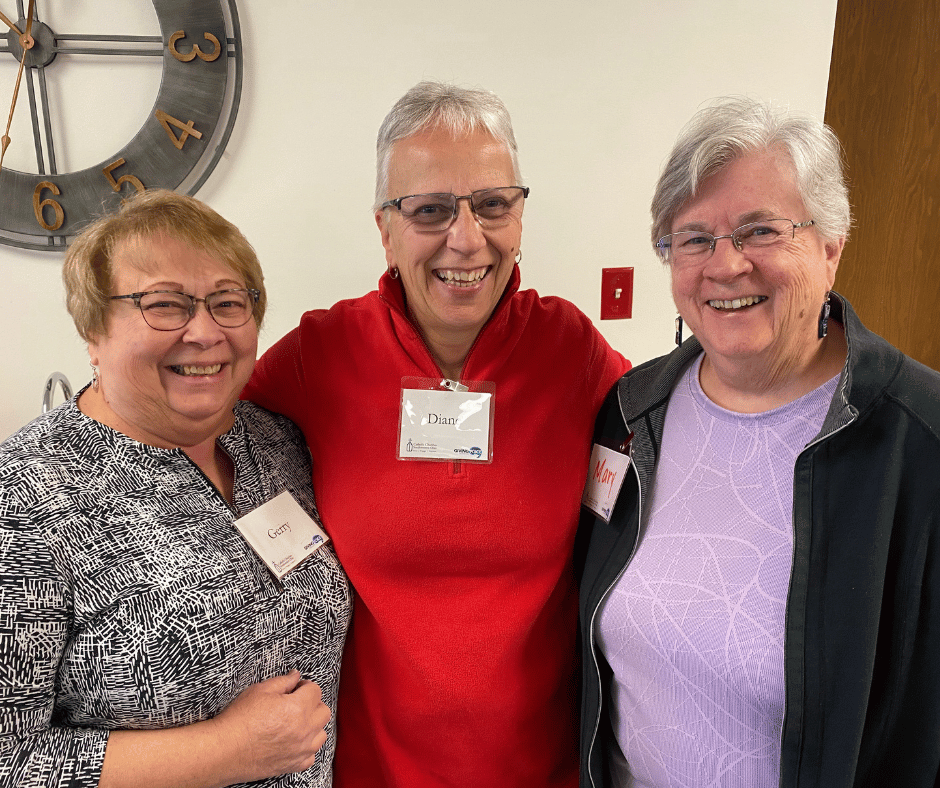
I understand there is science behind why Creative Connections is designed the way it is. I do a lot of physical and brain activity myself because I’m passionate about my health and doing everything I can to stay healthy. I work out at Activate Brain & Body Fitness alongside people living with dementia, traumatic brain injuries and others of all ages, like me, who are healthy and want to stay that way.
So I understand that there is a reason behind the music and movement. But when you’re actually in the Creative Connections room, it doesn’t feel like science. It feels like joy. People are laughing, dancing, and singing. For a little while, there is joy in a time that can also hold a lot of pain.
And sometimes, if you’re lucky, one of those people becomes very special to you. For me, that person was Jackie. Jackie had Down Syndrome in addition to dementia, and our group knew her as our little love bug. She gave hugs and compliments freely, and her smile brought out happiness in everyone around her. Once, she actually ran and jumped right into my arms. She was just full of love.
I became excited to see Jackie every week. Through her, I also developed a relationship with her sister, Joan, who appreciated the connection Jackie and I had. Jackie recently passed away, and I miss her. But that’s also what volunteering can do. You walk into a room thinking you’re there to help, and then these people become part of your life.
That’s why, when someone asks me about volunteering at Creative Connections, I tell them: just be yourself. I’m actually a pretty reserved person. But I’ve learned that it’s okay to walk into Creative Connections and let go a little. Embrace the goofy. When you’re willing to have fun, it gives other people permission to have fun, too. Just try.
You don’t have to be a social worker. The training helps tremendously, and the volunteers help each other. Anyone who is interested can do this. You will have a positive impact on someone else – and you’ll probably discover that they have a positive impact on you, too.
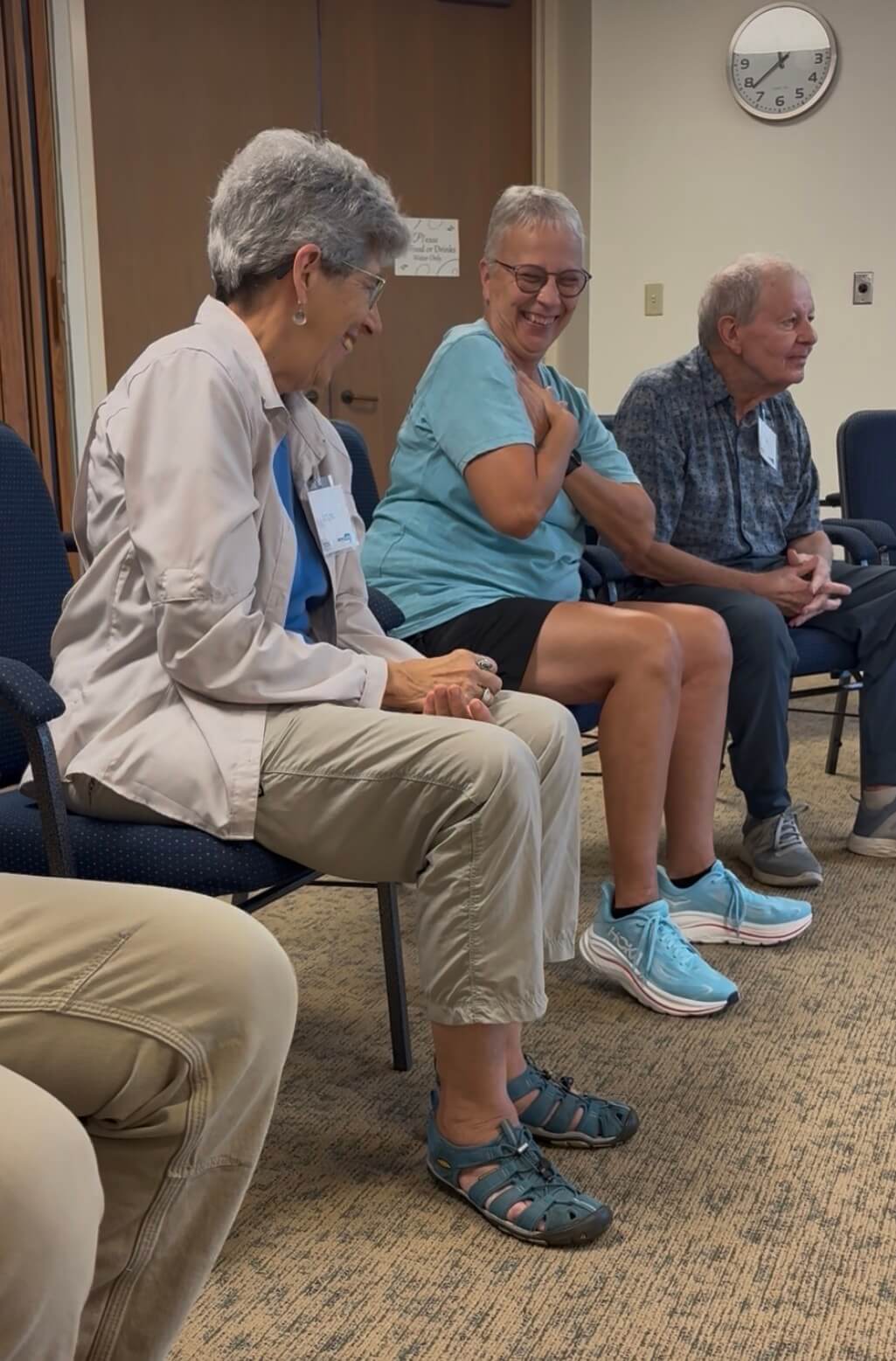
“When you're actually in the Creative Connections room, it doesn't feel like science. It feels like joy.”
I’ve also learned that every dementia story is unique. There isn’t a one-size-fits-all experience. Just as there are many different kinds of cancer, dementia can look very different from one person to another. That’s part of why programs that create consistent support and connection matter so much.
Giving Voice works incredibly hard to make that support available at no cost to families. Creative Connections happens every week, and that consistency matters. People miss it when there’s a break. It brings comfort, connection, and fun to participants and their families.
I have a mantra in my own life. When someone asks how I’m doing, I almost always respond, “Awesome.” Bring positive thoughts, and positive results happen.
Maybe that’s part of what keeps bringing me back every Monday. I walk into that room ready to help. And every single week, I leave with some of the joy myself.
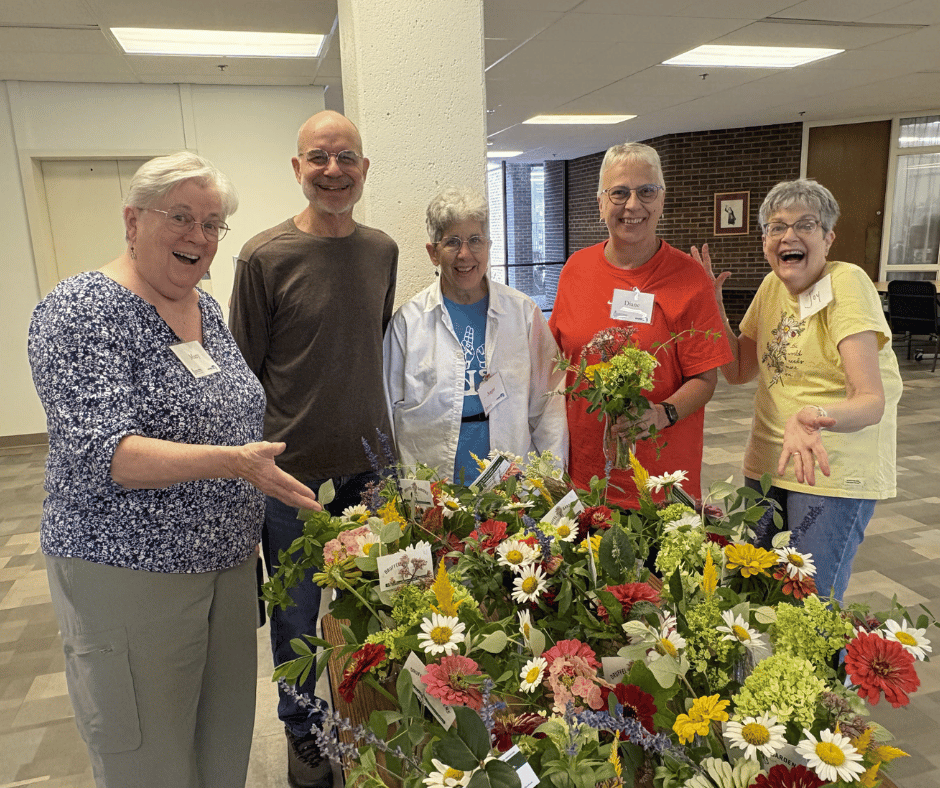
“I walk into that room ready to help. And every single week, I leave with some of the joy myself.”
Your Voice Belongs Here
Did this story remind you of one of your own?
Whether you’re living with dementia, supporting someone you love, working alongside families, or carrying a memory that matters, we’d be honored to hear it.
Prefer to put your story into your own words? Use our optional prompts for inspiration, then submit your story and photos when you’re ready. Your voice stays yours.
Prefer a conversation? Connect with a volunteer Story Guide who will listen and help shape your words into a story you’ll review and approve before it’s ever shared.
However you choose to share, your voice matters.