Every Person Has a Story Worth Knowing
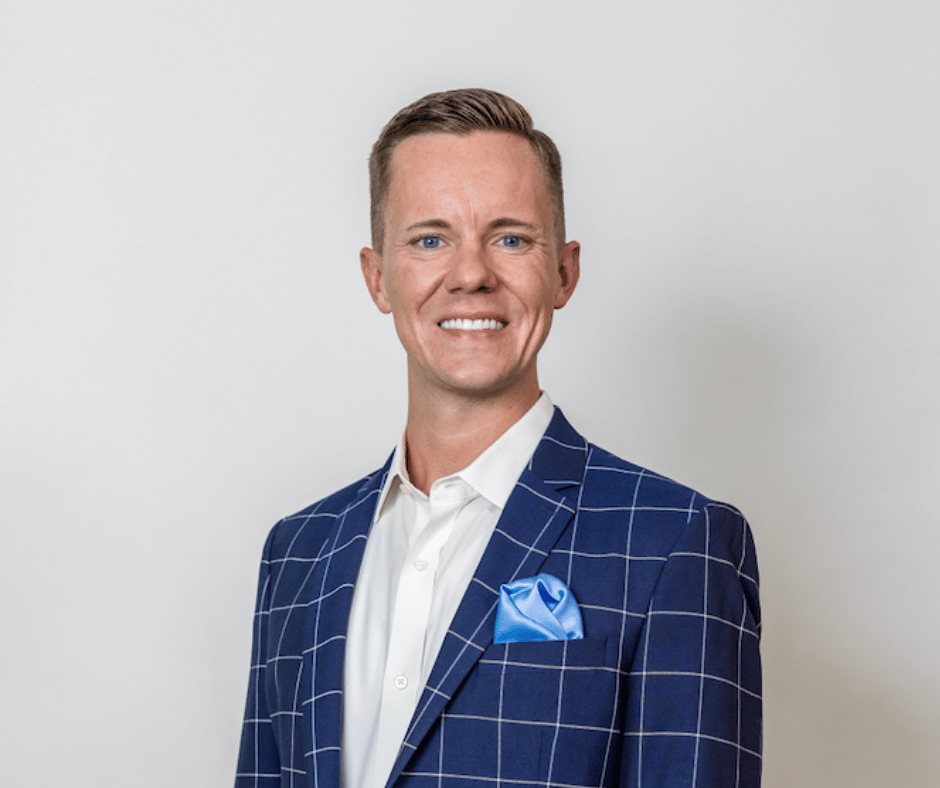
About Christian: Dr. Christian Gausvik is the founder of Giving Voice Foundation and a family physician whose work centers on building meaningful relationships with patients across every stage of life. His passion for older adults and people living with dementia inspired Giving Voice Foundation, rooted in his belief that every person has a story worth knowing and deserves to feel seen, heard, and connected. Christian continues to champion a community where individuals living with dementia and their care partners can experience belonging, dignity, and joy.
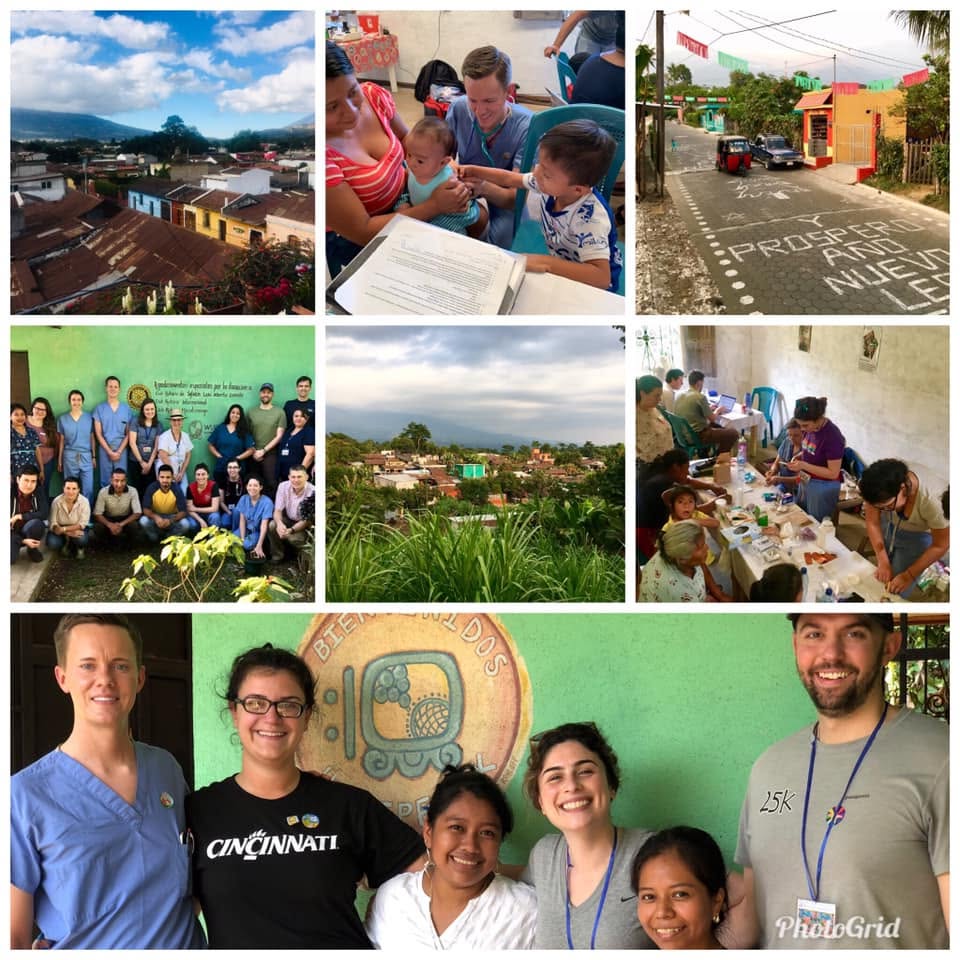
If you asked me what I do, I’d probably tell you I’m a family physician. I spend my days caring for patients across every stage of life, although much of my practice has become focused on older adults, people living with dementia, and members of the LGBTQ community. Those seem like very different parts of medicine, but over time I’ve realized they’re connected by something much simpler.
I’ve always been interested in people. Not just what brings them to the doctor’s office, but who they are outside of it. Where they grew up. What they dreamed about when they were younger. Who they love. What they’re proud of. What they’ve overcome. Those are the conversations that have always made medicine meaningful to me.
I think that started long before medical school: As a teenager, I worked in a nursing home. At first, it was simply a job, but before long I found myself lingering in residents’ rooms after I had finished what I needed to do. I loved listening to their stories. One person had served in the military. Another had traveled the world. Someone else had raised six children or started a business or fallen in love with the person sitting beside them seventy years earlier. Every room held an entire lifetime if you were willing to slow down long enough to hear it.
That experience quietly shaped the rest of my life, it led me to family medicine because I wanted relationships, not transactions. It led me to geriatrics because older adults have so much to teach us if we’re willing to listen. It also shaped the kind of physician I wanted to become. I never wanted people to feel like they were simply the next appointment on my schedule.
As my practice grew, another part of my work became just as important to me. My husband, Cody, and I struggled to find a primary care physician who truly understood the LGBTQ community. The more I listened to patients, the more I realized how many had delayed care because they were afraid of being judged or because previous experiences had left them feeling unseen. It wasn’t just about finding a gay physician. It was about finding someone who understood their story before making assumptions about it.
Looking back, I realize that’s the same lesson my older patients had been teaching me all along. Everyone wants to be known.
Dementia entered my life through those relationships with older adults. As I cared for more people living with Alzheimer’s disease and other forms of dementia, I watched families navigate a diagnosis that changes nearly every aspect of life. What struck me wasn’t only the disease itself. It was the isolation that followed. Friends stopped calling. Activities became more difficult. Caregivers quietly carried extraordinary burdens, often feeling invisible themselves. Medicine could help with symptoms, but there wasn’t nearly enough attention given to helping people continue living meaningful, connected lives.
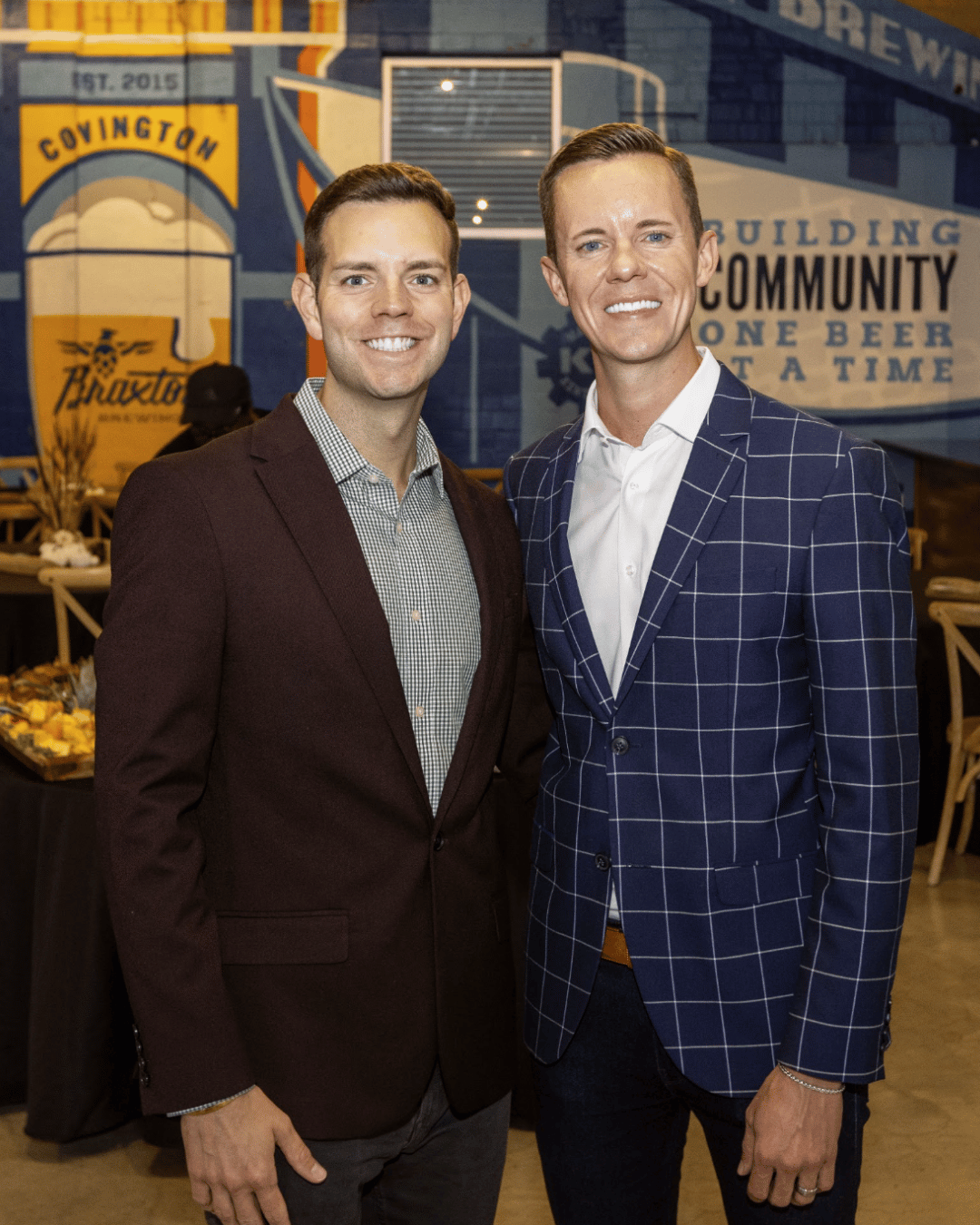
“Every room held an entire lifetime if you were willing to slow down long enough to hear it.”
That question stayed with me. What would happen if we focused just as much on connection as we did on treatment? That question eventually became Giving Voice.
When Cody and I first talked about starting the organization, we had no idea what it would become. We were simply trying to create opportunities for people living with dementia and their care partners to experience community again. We thought if we could create one meaningful afternoon, maybe that would be enough, and it turns out people were looking for exactly that.
There is one moment I come back to again and again: It happened during one of our Creative Connections programs. I walked into the room, and almost immediately I felt something I had never experienced before. There wasn’t one particular conversation that stood out or one remarkable moment unfolding in front of me. It was the room itself.
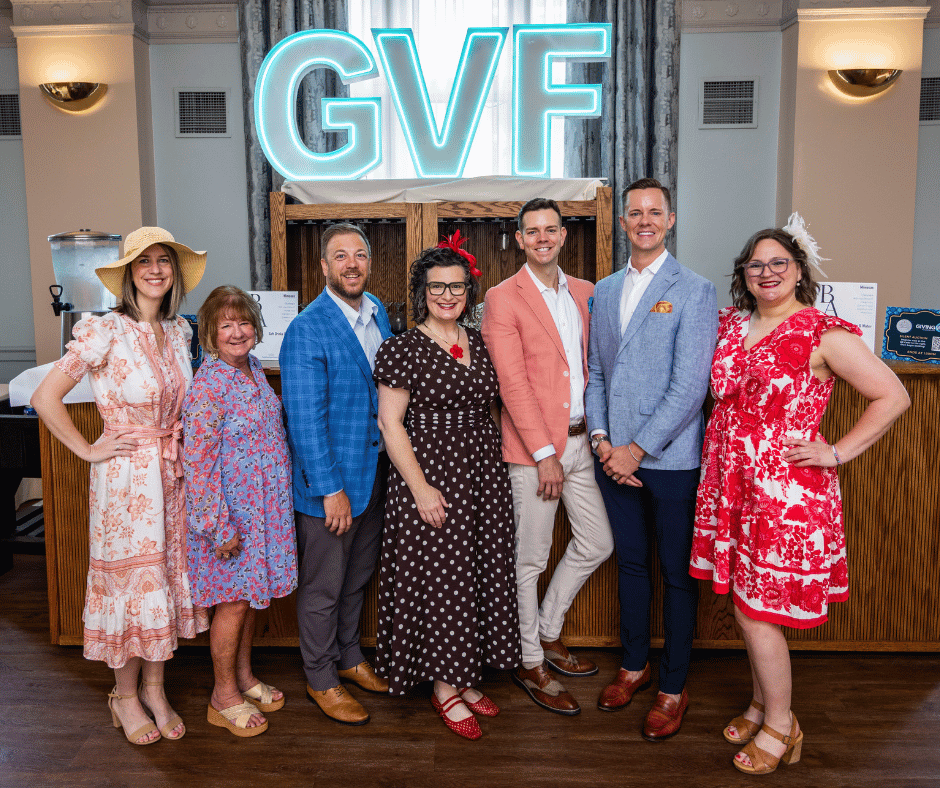
"The room was full of people whose lives had been changed by dementia, yet somehow dementia wasn't the thing you noticed first. You noticed the joy."
There was music playing. People were laughing. Care partners who had arrived looking exhausted were smiling and talking with one another. Someone was singing. Someone else was dancing. Volunteers and families who had never met before were sharing stories as though they had known each other for years.
The room was full of people whose lives had been changed by dementia, yet somehow dementia wasn’t the thing you noticed first. You noticed the joy. You noticed the relationships. You noticed people feeling like themselves again. Even now, years later, I can still picture that room.
Whenever nonprofit work becomes complicated, whenever fundraising feels difficult, or whenever I wonder whether all the effort is worth it, I think back to that afternoon. There was something almost tangible in the air: a sense of belonging that is hard to put into words. Amid all the chaos that dementia brings into people’s lives, there was peace. There was laughter. There was hope. I remember standing there thinking, this is what we’ve been trying to build.
That feeling has never left me.
People sometimes ask whether my work is about dementia or LGBTQ health or primary care. The truth is that those are simply different expressions of the same calling. I’m interested in helping people feel seen.
“I've learned that connection isn't something extra in healthcare. It is healthcare.”
Whether I’m sitting across from a young man who has never felt comfortable talking honestly with a physician, caring for an older adult who worries that a diagnosis has changed how the world sees them, or watching a husband and wife dance together at a Giving Voice program, what matters most is creating the kind of relationship where people remember that they are more than the hardest thing they are carrying. I’ve learned that connection isn’t something extra in healthcare. It is healthcare.
It gives people courage to ask for help. It builds trust. It reminds caregivers they aren’t alone. It restores dignity when illness tries to take it away. It creates moments of joy even when circumstances haven’t changed.
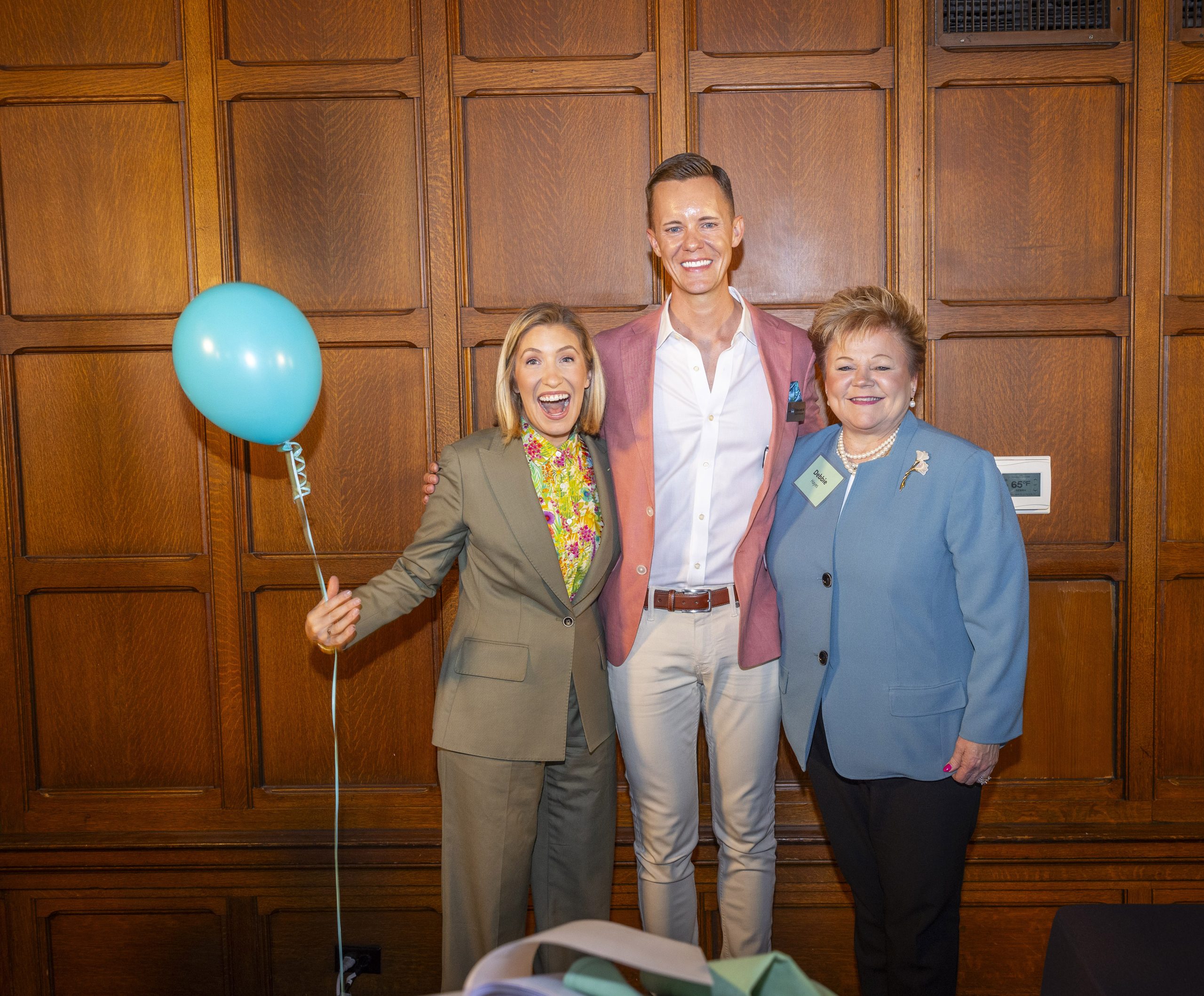
If I hope people remember anything after reading my story, I hope it’s this: every person has a story worth knowing, and every one of us has the ability to help someone feel seen. Sometimes that happens in an exam room. Sometimes it happens around a table making art or listening to music. Sometimes it begins with nothing more than taking a seat, asking a question, and deciding to truly listen.
I’ve found that some of life’s most meaningful work begins exactly there.
Your Voice Belongs Here
Did this story remind you of one of your own?
Whether you’re living with dementia, supporting someone you love, working alongside families, or carrying a memory that matters, we’d be honored to hear it.
Prefer to put your story into your own words? Use our optional prompts for inspiration, then submit your story and photos when you’re ready. Your voice stays yours.
Prefer a conversation? Connect with a volunteer Story Guide who will listen and help shape your words into a story you’ll review and approve before it’s ever shared.
However you choose to share, your voice matters.