Everything I Know, Someone Taught Me
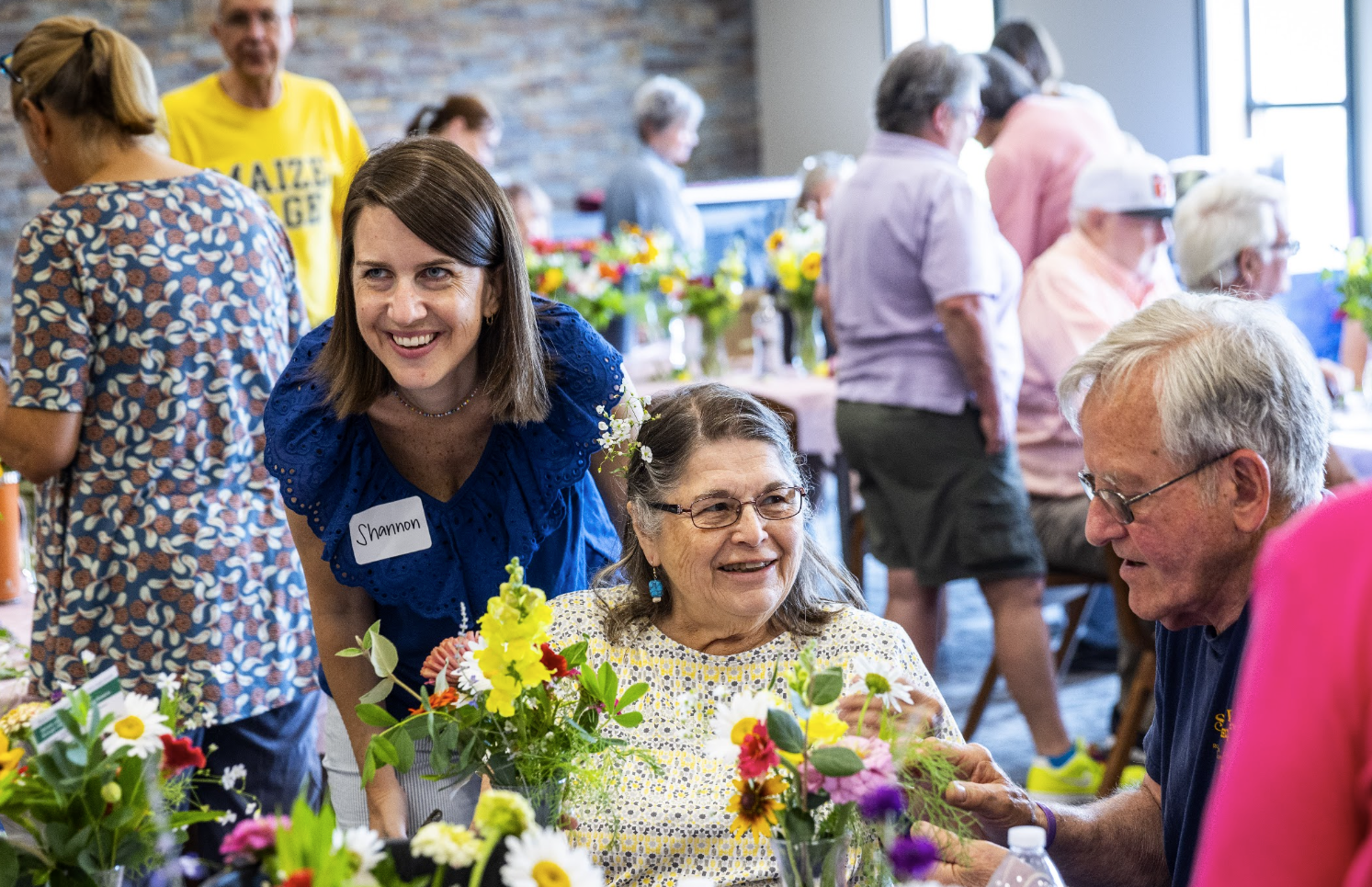
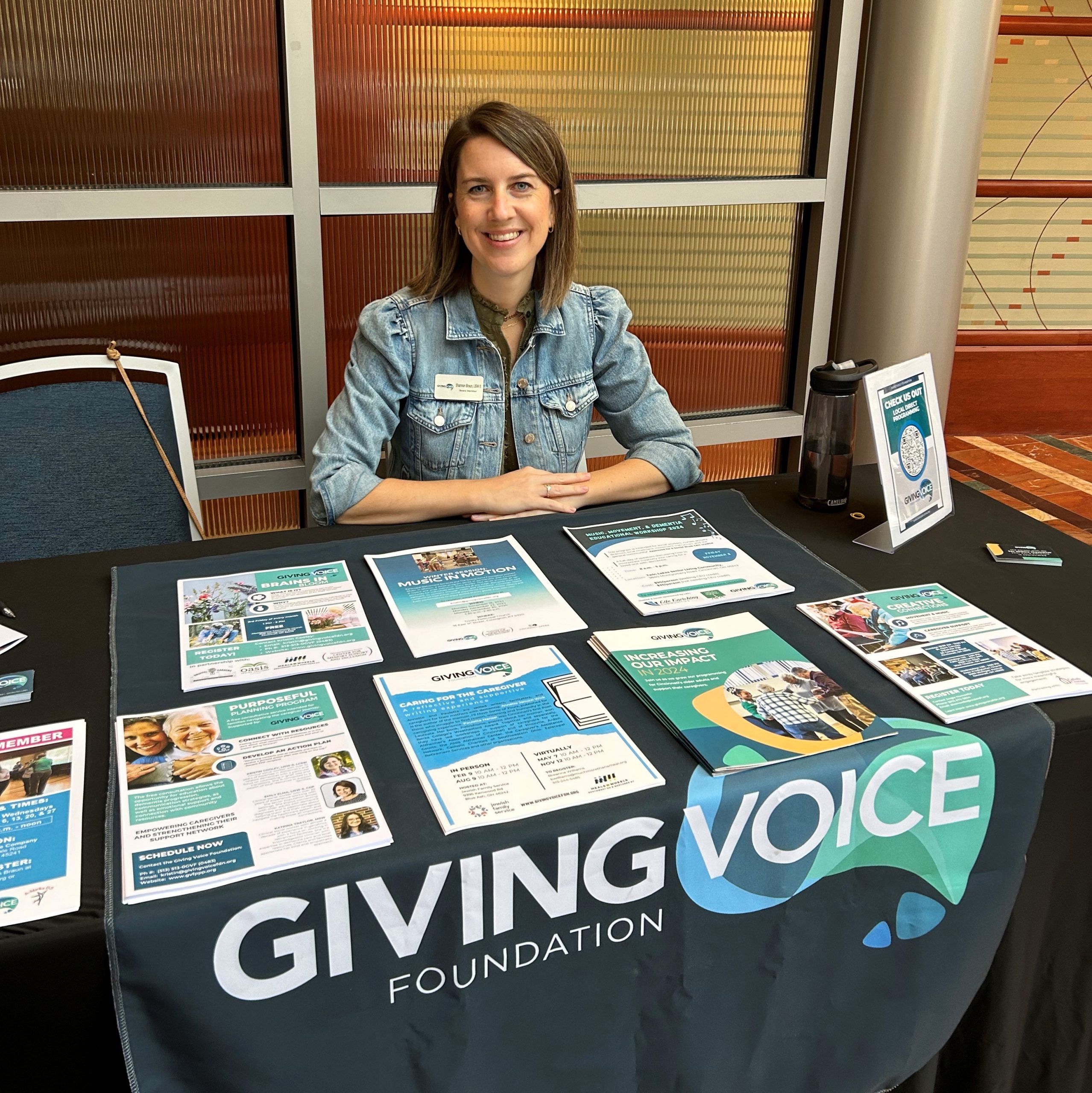
About Shannon: Shannon Braun, MSW, LISW-S, is Director of the Center for Memory Support and Inclusion at Episcopal Retirement Services and serves on the Giving Voice Foundation Board of Directors. For more than two decades, she has dedicated her career to supporting individuals living with dementia, their families, and the professionals who walk alongside them. She believes that authentic relationships, courageous listening, and strong communities have the power to transform the dementia journey.
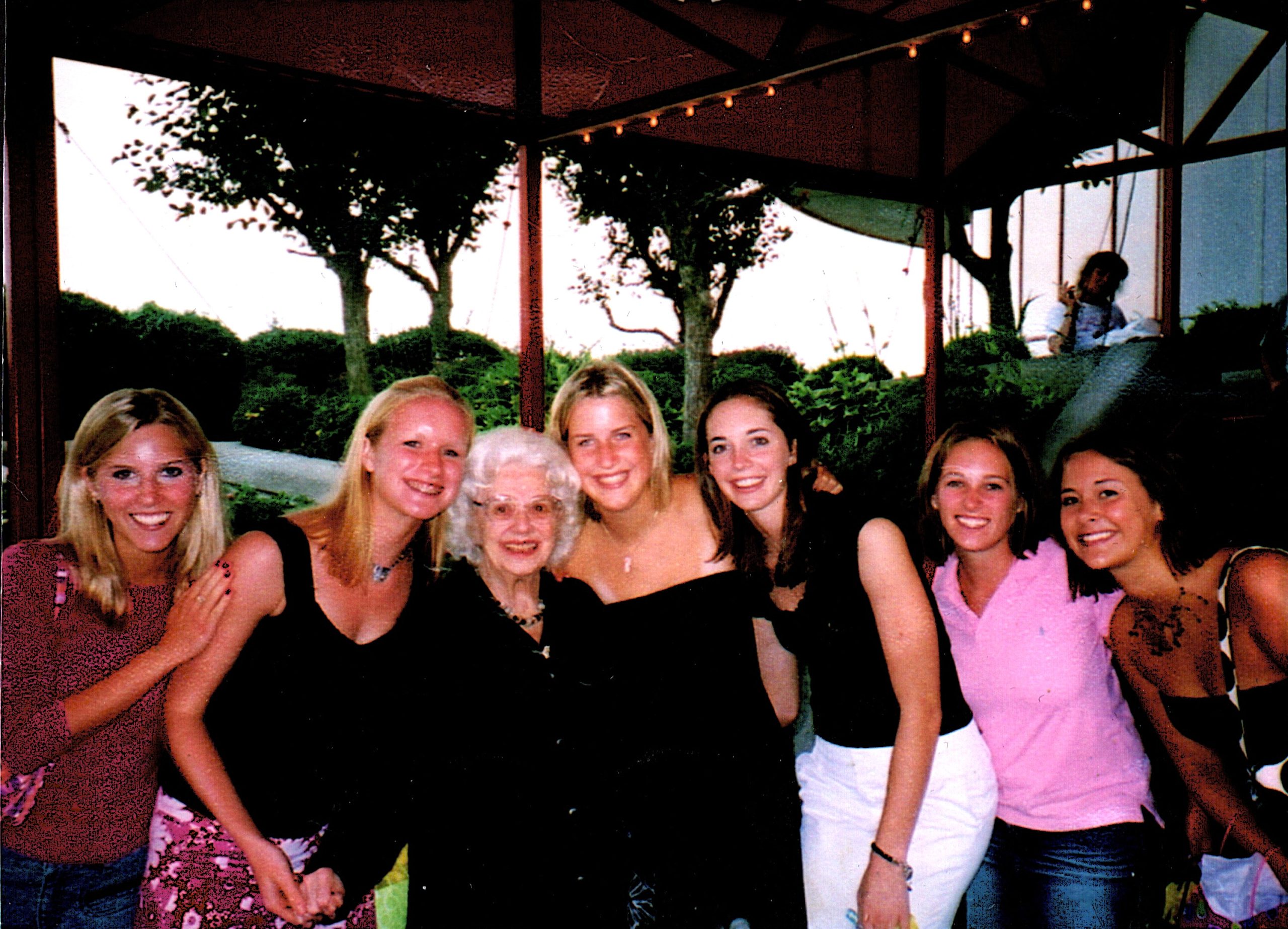
My first significant experience with dementia and caregiving began when my grandmother moved in with my family while I was in high school. Her name was Dot (I called her Grammy) and we had always been very close. She lived with us for about three years, as vascular dementia prohibited her from living alone. She was so much fun and added a new dynamic to our household. She was very musical and enjoyed breaking into song and putting on a show. She often forgot that she knew how to play piano, but when encouraged, was thrilled when her fingers knew what to do on the keys.
Dot became a character in our house, especially for my siblings and all of our friends. We still quote things she used to say. I am so grateful for those years, and the impact that Dot and her dementia still have on my life.
When it came time to choose a career, I earned my undergraduate degree in psychology, but I knew I needed to continue my education. As I explored master’s programs, I discovered social work with a healthcare and gerontology track. I instinctively knew that was where I belonged.
Looking back, I think I’ve spent my career simply leaning into the places that felt right. Early on, I worked as a social worker in long term care. If I had a particularly stressful day and needed fifteen minutes to reset, I would walk into the memory care household. I realized I felt comfortable there. There was something about being in that space that felt natural to me, so I kept leaning into it.
That eventually led me to the Alzheimer’s Association, where I became the Early Stage Program Coordinator. At first, I found that role intimidating because I didn’t know that part of the dementia journey very well. The person living with dementia still knew they had the diagnosis and couples were trying to figure out how to navigate something completely new together. Today, I still find the early stage may be one of the hardest parts of the journey. The grief is so fresh. The uncertainty is overwhelming. I deeply empathize with that experience.
“Everything I know about dementia and caregiving has come from people who have been willing to share their lives with me.”
One thing has remained true throughout my career. Everything I know about dementia and caregiving has come from people who have been willing to share their lives with me. I’ve never been a primary caregiver, but honest and generous caregivers have trusted me with their stories. They’ve shared the changes in their marriages, the decisions they’ve had to make, the heartbreak, the uncertainty, and the moments of joy. Every conversation has stayed with me. As I meet someone new, I find myself sharing the wisdom another family once shared with me. In many ways, everything I’ve learned has been passed from one person to another. The rippling wisdom is a gift I’ve never taken for granted.
I’ve also learned that I couldn’t do this work alone. There have been support groups that absolutely rocked me. I remember walking into another social worker’s office after one particularly difficult group and bursting into tears. I still call colleagues after hard cases. We support each other that way. Community is essential.
“Life continues in dementia. There is still laughter, and dancing, and music. There is still joy.”
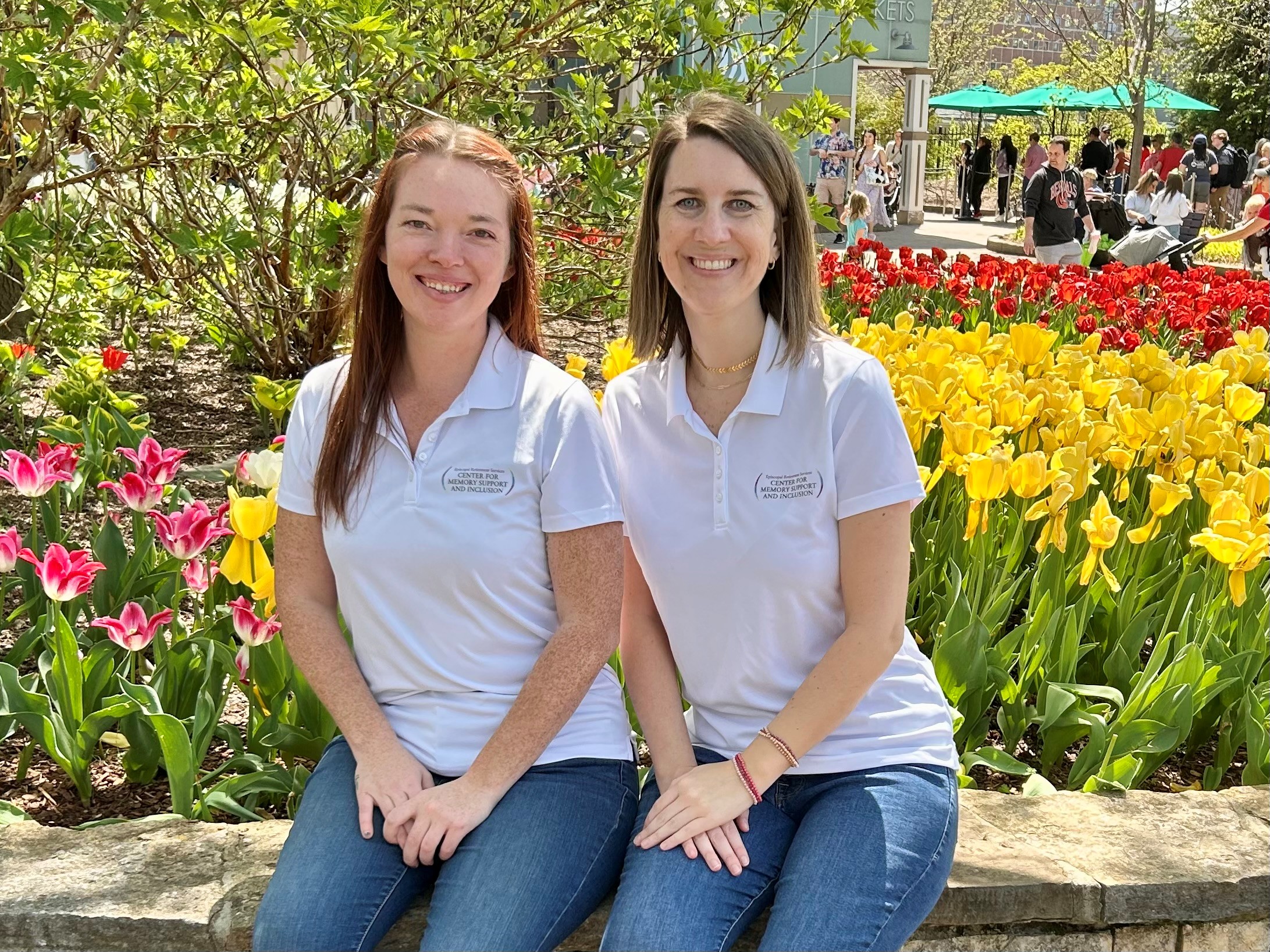
I’ve found that same sense of community in partnerships. One of my favorite parts of my work is creating programs alongside organizations throughout our city. I remember wondering whether a program at the Cincinnati Zoo would work. Fortunately, I found people who were eager to help, volunteers who had been touched by dementia, and community partners who wanted to create something meaningful together. I’ve never felt like I had to force those relationships. They happened because people genuinely wanted to connect and the connection grew into something beautiful and sustainable.
Over the years, I have also found a louder voice. Leaning into advocacy did not always come naturally to me, but I’ve always found it easier to speak up for someone else than for myself. I take seriously the responsibility of using my voice for people who may be losing theirs. Some of my very favorite people have or have had dementia. I picture their faces when I raise my hand.
“What truly recharges me is connection.”

Your Voice Belongs Here
Did this story remind you of one of your own?
Whether you’re living with dementia, supporting someone you love, working alongside families, or carrying a memory that matters, we’d be honored to hear it.
Prefer to put your story into your own words? Use our optional prompts for inspiration, then submit your story and photos when you’re ready. Your voice stays yours.
Prefer a conversation? Connect with a volunteer Story Guide who will listen and help shape your words into a story you’ll review and approve before it’s ever shared.
However you choose to share, your voice matters.