
When Dementia Changes a Family’s Life
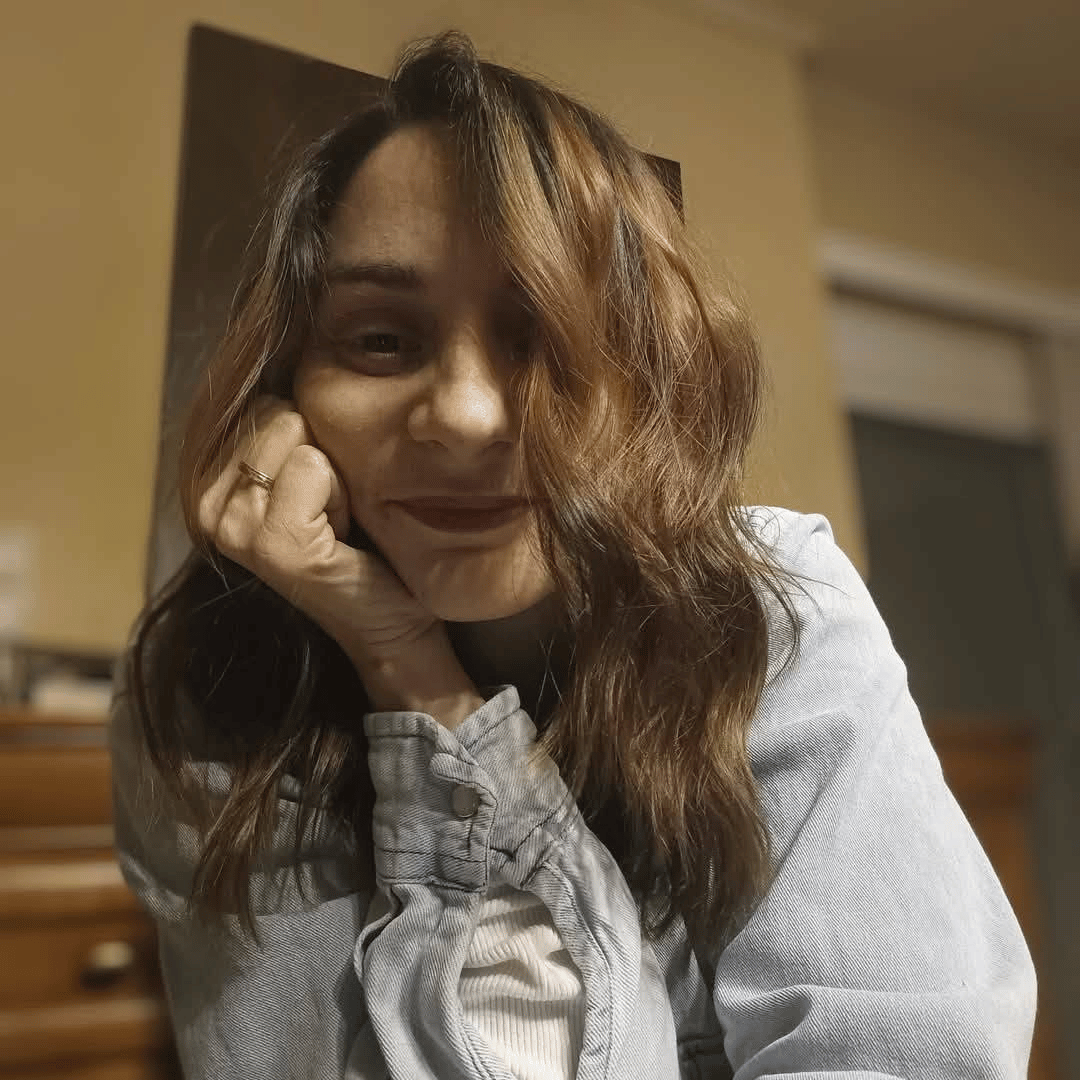
About Tina: Tina A. Michaelidou is a Greek author, educator, and radio host who has published approximately 17 books exploring human relationships and personal experiences. She studied Social Theology and Religious Studies, earned a postgraduate degree in Evaluative Psychosocial Counseling, and completed nursing assistant training. A lover of music who hosts her own radio program, Tina finds meaning in writing as a way to express herself and connect with others. After caring for both of her parents through dementia, she began sharing her experiences in hopes of helping other family caregivers feel understood and less alone.
I am a Greek author who has explored human relationships through personal experiences. I never imagined that I would write books about dementia. However, what I experienced in my own home made me want to write about what it was like to live through dementia when my father became ill. Writing became a way for me to express and process my emotions.
My journey with dementia began with my father. When he was diagnosed, my mother found it difficult to accept. It was especially hard for her because my father was a doctor: Andreas P. Michaelides, Associate Professor of Cardiology at Hippokration Hospital in Athens, Greece. We found ourselves facing an illness we had never expected. We tried to understand the changes in his behavior and emotions and to work out what he needed in terms of care.
Dementia profoundly changed our lives. My mother and I stood by his side through every stage of the illness. He passed away in 2021, during the COVID-19 pandemic.
In 2021, my mother was diagnosed with Parkinson’s disease, and in 2022, with dementia. For me, experiencing this journey all over again was even more difficult, this time alongside the person who had stood by me while we cared for my father.
As time went on, communication became difficult. However, with the help of doctors, I always tried to find a way to communicate with them.
My mother passed away in 2026. I lived with dementia for more than nine years. It became part of my life and my everyday routine. It left me with grief and emotional exhaustion, but also with a deep understanding of what it means to care for the people you love.
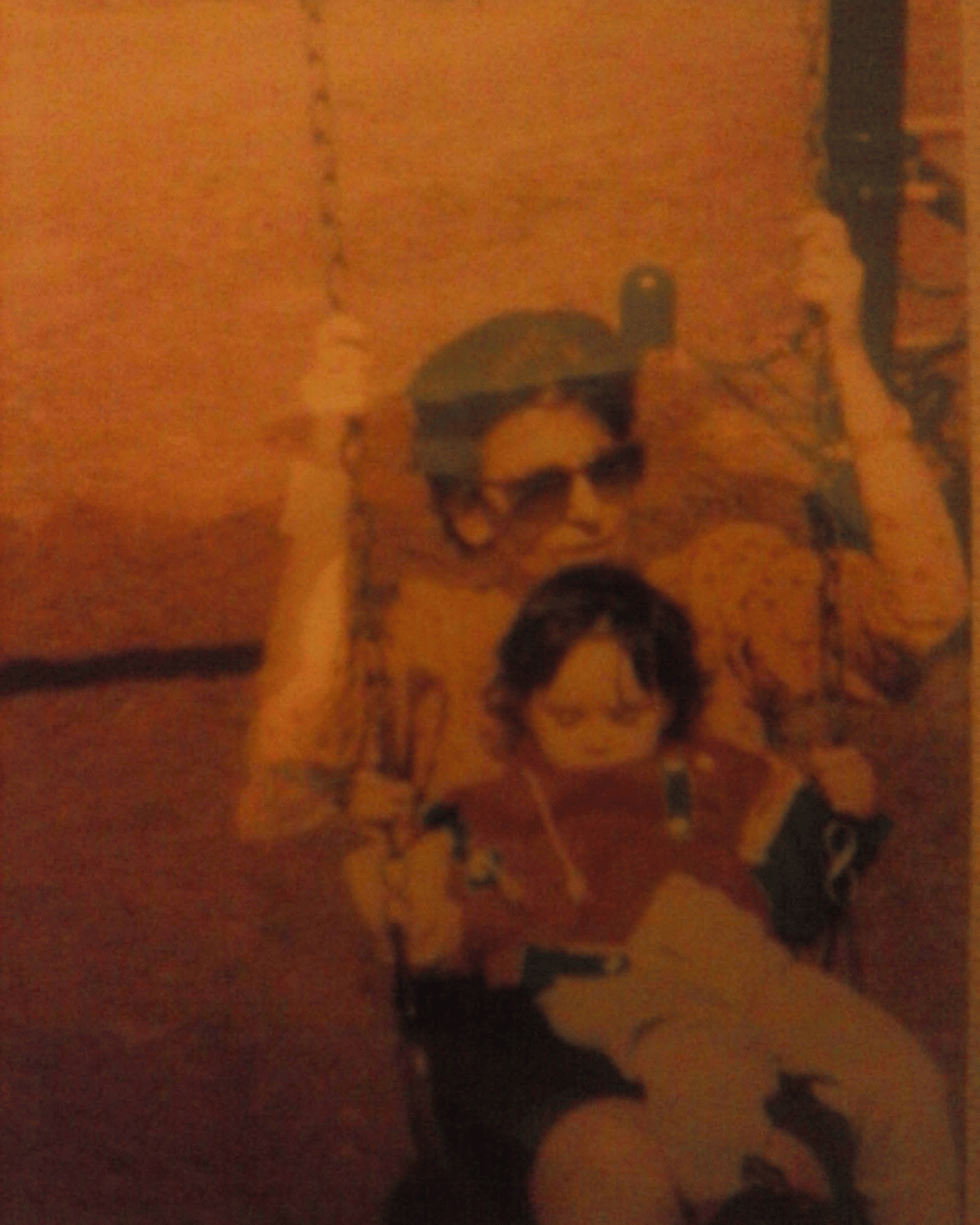
“This experience taught me how important it is not to forget the person behind the illness, and to continue seeing our parent as the person we have always loved, even when the illness changes them.”
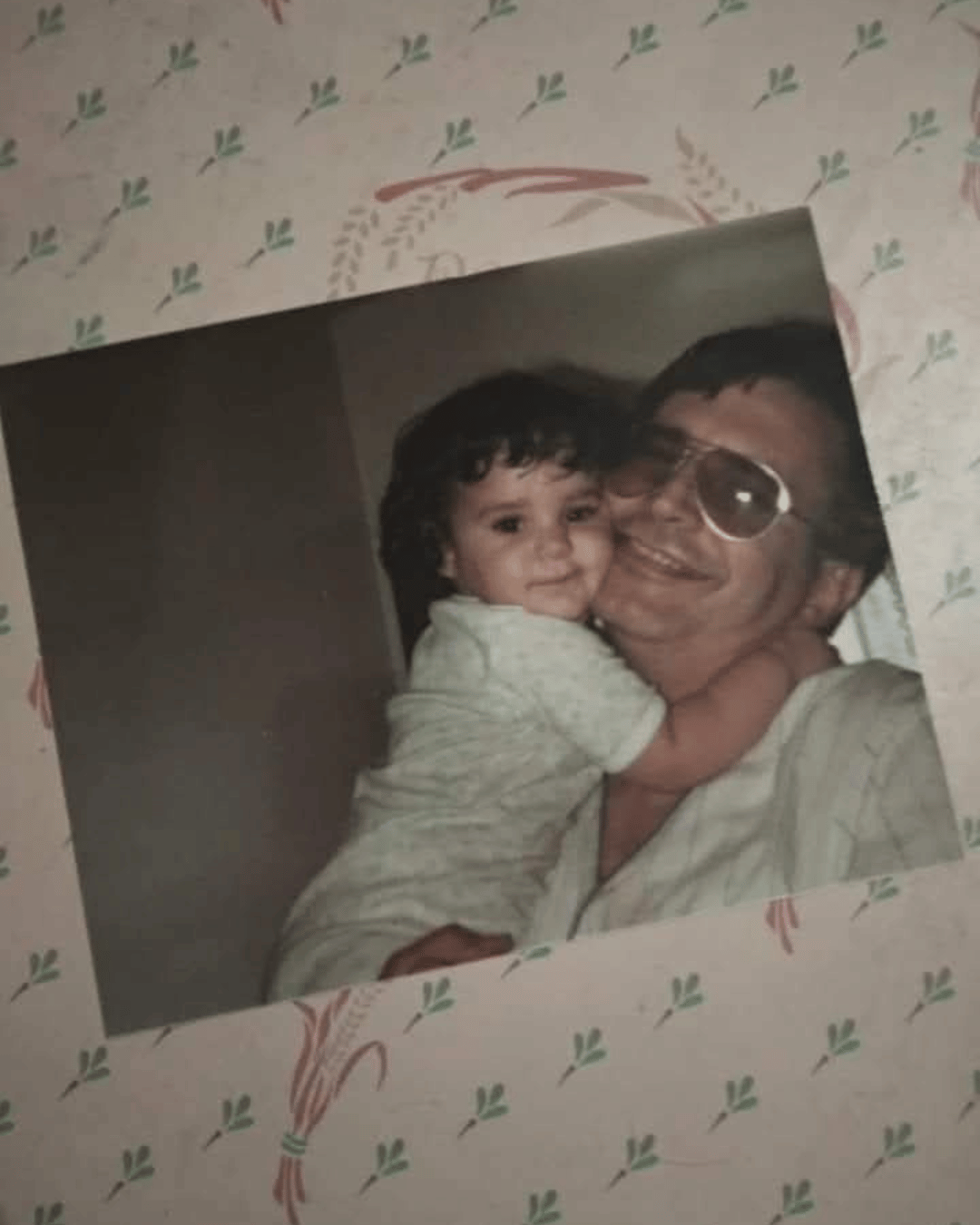
Over time, I realized how precious it is to be there for our loved ones, to respect their needs and help them. It was not always easy to know what they needed. This experience taught me how important it is not to forget the person behind the illness, and to continue seeing our parent as the person we have always loved, even when the illness changes them.
I also learned that we, as caregivers, need care and support too. We often focus so much on the needs of our loved ones that we forget that we also need someone by our side.
I did not come through this journey without wounds and emotional trauma. There were moments when I had to be strong, even when I felt I could no longer bear it.
If I could share one message with other family caregivers, it would be that they should seek help from professionals and not neglect themselves.
“We often focus so much on the needs of our loved ones that we forget that we also need someone by our side.”
I would also like them to remember that even when communication is no longer possible, our presence still matters. A touch, a hug, a smile can become ways of communicating when words are no longer enough.
Looking back today, I understand that dementia does not affect only the person living with the condition. It also changes the caregiver, and that is why we need to listen to their stories.
I did not choose to become a caregiver. I was simply a daughter who wanted to be there for her parents. Through this journey, I learned how important it is to always see the person beyond the diagnosis. This is the experience I want to share, so that perhaps another caregiver may feel that they are not alone.
“Dementia does not affect only the person living with the condition. It also changes the caregiver, and that is why we need to listen to their stories.”

Your Voice Belongs Here
Did this story remind you of one of your own?
Whether you’re living with dementia, supporting someone you love, working alongside families, or carrying a memory that matters, we’d be honored to hear it.
Prefer to put your story into your own words? Use our optional prompts for inspiration, then submit your story and photos when you’re ready. Your voice stays yours.
Prefer a conversation? Connect with a volunteer Story Guide who will listen and help shape your words into a story you’ll review and approve before it’s ever shared.
However you choose to share, your voice matters.